Understanding Your Dog’s Paw Anatomy
Exploring the anatomy of canine paws offers valuable insights into their overall health. Just like humans rely on their feet, dogs depend on their paws for mobility and balance. An understanding of paw structure illuminates how each component, from the sturdy claws to the sensitive paw pads, plays a role in a dog’s daily activities, including running, jumping, and exploring the world around them.
Good paw health is vital. When dogs have well-functioning paws, they can enjoy exercise and play. Healthy paws contribute greatly to a dog’s quality of life. Issues like cracked paw pads or overgrown claws can lead to discomfort or pain. This discomfort might result in behavioral changes, affecting a dog’s happiness and interactions with their environment. Monitoring these aspects is essential for all dog owners.
Many pet owners might overlook the importance of routine foot care. Regular checks can help identify problems early. Keeping the claws trimmed prevents painful conditions, while clean paw pads protect against debris and bacteria. Additionally, the dewclaws, located higher on the leg, also require attention. The right foot care regimen not only ensures comfort but also supports a dog’s overall well-being.
Understanding a dog’s paw anatomy enhances our ability to care for them effectively. Knowledge of toe bones, digital pads, and other features can lead to better health decisions. Every detail matters in looking after our canine friends, so embrace the importance of their paws and take proactive steps for their care.
dog paw anatomy
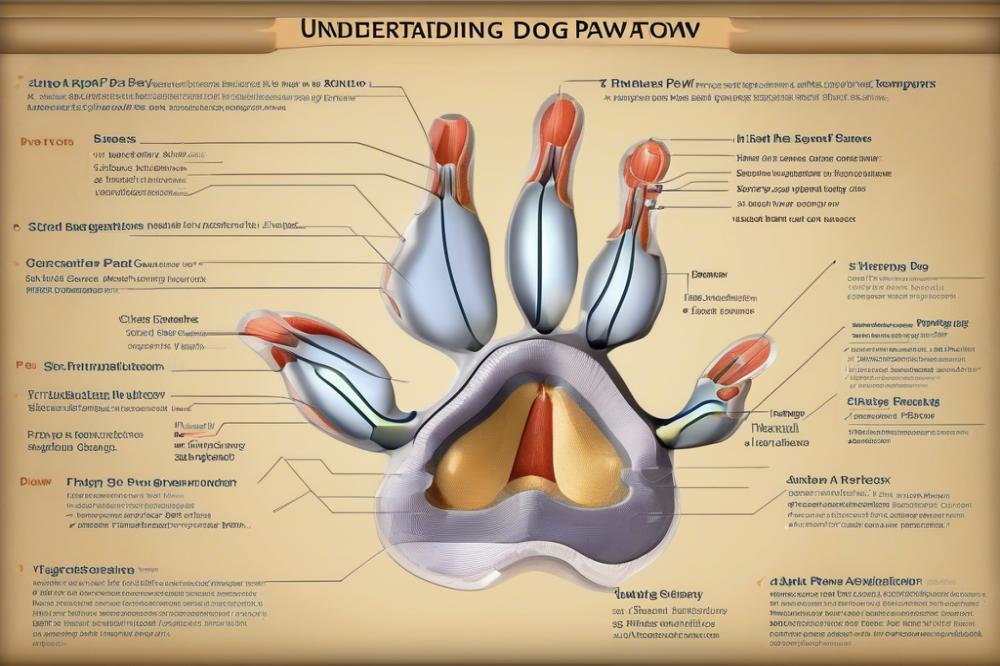
Understanding canine paws is essential for every dog owner. These complex structures consist of various parts that work together to support a dog’s mobility and health. Each component has a specific purpose that contributes to their overall functionality.
Paw Pads
Paw pads are the soft, cushiony areas located on the underside of the paw. They are crucial for shock absorption. These pads help a dog manage different terrains, reducing the impact on their joints. Additionally, paw pads provide traction. This feature is especially helpful in preventing slips and falls.
Toe Bones
Each paw contains multiple toe bones, also known as phalanges. Dogs typically have four toes on each leg, plus a larger central toe. These bones allow for flexibility and movement. They help with the gripping and digging actions that many dogs instinctively perform.
Digital Pads
Digital pads sit at the base of each toe. These small, yet important, pads give added support and cushioning. They play a key role in distributing pressure when a dog walks or runs. Healthy digital pads can prevent injuries and improve a dog’s overall paw health.
Claws
Claws are found at the end of each toe. They assist dogs in maintaining traction and grip on various surfaces. Regular grooming is necessary to keep claws trimmed at a proper length. Overgrown claws can lead to discomfort or even injury, affecting a dog’s mobility.
Dewclaws
Dewclaws are the small, additional claws located higher on the inner part of a dog’s leg. Not all dogs have dewclaws. These unique features often serve as a helpful tool for climbing or holding onto objects. However, they can be prone to injuries if not properly cared for.
Function and Health
All these components together play a vital role in dog anatomy. Proper foot care is essential for maintaining the health of your dog’s paws. Regular checks for any signs of wear or injury should be part of your routine. Pay attention to any unusual behavior, as it can indicate discomfort or pain. Understanding the importance of each part helps in providing the best care for your furry friend.
Understanding Paw Pads
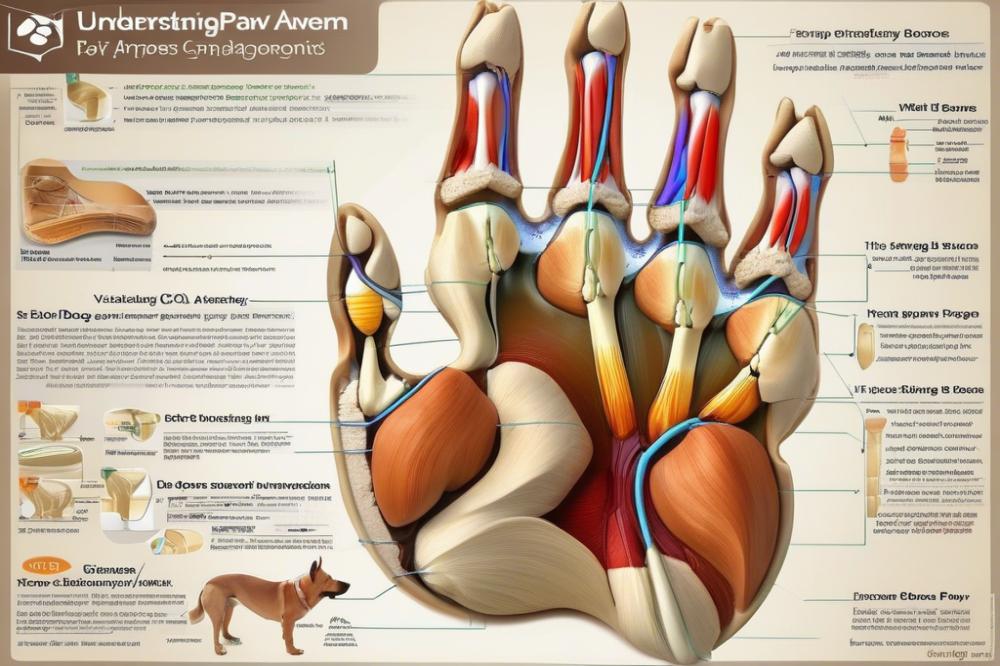
Paw pads serve as critical components of canine paws. Different types exist, each specializing in various functions. The main types include digital pads, metacarpal pads, carpal pads, and dewclaws. Digital pads, located under each toe, play a vital role in grip and cushioning. Their structure allows dogs to run, leap, and navigate various surfaces with ease.
Importance of Digital Pads for Grip and Cushioning
Digital pads are essential for traction. They assist in maintaining balance, especially on slippery surfaces. Additionally, these pads provide shock absorption. This feature protects the toe bones and joints as dogs move. Without proper cushioning, a dog could face discomfort or injury during daily activities.
Factors Affecting Paw Pad Health
Many factors can influence paw pad health. Environment plays a major role; extreme temperatures can cause burns or frostbite. Rough, uneven terrain may lead to cuts or scrapes, damaging the pads. Allergies are another concern. Substances like grass, pollen, and chemicals may irritate sensitive skin.
Common Issues and Prevention Methods
Common issues include cracking, infections, and foreign object injuries. Cracked pads can result from dryness or excessive wear. Maintaining moisture in the skin is important to prevent this. Regular checks for cuts or lodged debris can stave off infections. Applying a protective balm can also help shield canine biology from harsh conditions.
Paw health requires ongoing attention. Regular foot care, such as trimming claws, is essential. Monitoring for any signs of discomfort can aid in early detection of problems. If a pet shows reluctance to walk, prompt evaluation may be necessary. Ultimately, paying attention to paw pads can enhance your dog’s quality of life.
The Role of Claws and Dewclaws
Anatomy and function of claws in dogs
Claws play a vital role in canine biology. Each claw is attached to a toe bone, providing support and stability. Dogs use their claws for various activities, including digging, gripping, and climbing. The design of these claws allows dogs to maintain balance while running or navigating uneven surfaces. Within the paw, each claw works together with the digital pads to enhance traction. Healthy claws contribute to overall paw health by protecting the sensitive structures underneath.
Significance of dewclaws and their care
Dewclaws are the small, thumb-like appendages found on the inside of dog paws. Not every dog has dewclaws, but many breeds do. These unique claws can help with gripping and stability, especially when a dog is moving quickly. Dewclaw care is essential because they can become overgrown or injured. Regular check-ups help catch any issues before they become serious. Many owners choose to trim their dog’s dewclaws during routine foot care. When neglected, these claws can lead to pain or infection.
How claws contribute to the overall health of canine paws
Claws are more than just accessories; they serve significant purposes. Healthy claws protect the paws from injuries while providing essential functions during physical activities. They contribute to a dog’s ability to run and play. Furthermore, well-maintained claws support the correct alignment of toe bones. This alignment prevents stress on the joints and promotes overall mobility. Strong, healthy claws also keep the paw pads safe from abrasions and injuries. Without proper care, neglected claws can lead to serious discomfort.
nail trimming and maintenance tips
Regular nail trimming is crucial for your dog’s foot care routine. Aim to trim claws about every three to four weeks, depending on your dog’s activity level. An ideal length allows the claws to remain functional without touching the ground when standing. Use dog-specific clippers to achieve a clean cut. Be cautious around the quick, which is the sensitive part of the nail. If trimming seems daunting, consider consulting a veterinarian or a professional groomer. Keeping an eye on your dog’s claws will help maintain their overall well-being. Regular inspections can catch potential problems before they escalate. This attention to detail is important for ensuring long-term paw health.
Common Paw Problems and Solutions
Overview of Common Paw Health Issues
Canine paws are essential for movement and play. Various issues can affect their health. Common problems include infections, injuries, and allergies. Paw pads may become cracked or worn down from rough surfaces. Claws can break or become ingrown, leading to pain. Additionally, foreign objects like thorns or glass may get stuck between the pads. Understanding these risks is crucial for paw health.
Signs of Paw Problems to Watch For
Several signs can indicate an issue with your dog’s paws. Licking or chewing at the paws is often a symptom of distress. Dogs may limp or hesitate to walk on hard surfaces when they experience discomfort. Keep an eye out for redness or swelling on paw pads. A foul odor can also suggest an infection. Observing these behaviors can help catch problems early.
Preventative Care for Maintaining Healthy Paws
Regular foot care is important for your canine companion. Start by inspecting the paws often, especially after outdoor activities. Remove any debris that may be lodged between the toes or pads. Keeping the claws trimmed reduces the chance of injury and discomfort. Additionally, consider using paw balm to moisturize cracked pads. Environment plays a role; avoiding extreme temperatures can also protect the paw pads.
Veterinary Advice and When to Seek Help
Veterinarians can provide expert guidance on paw health. If you notice persistent signs of pain or discomfort, getting professional help is wise. Always consult a vet if your dog displays unusual behavior or if home remedies do not work. A vet can assess the overall condition of your dog’s paws and suggest appropriate treatments. Understanding your dog’s anatomy is vital in identifying potential problems early.
Foot Care Tips for Dog Owners
Daily Foot Care Routine Suggestions
Daily care of your dog’s paws should become part of your routine. Checking the paw pads for dirt, debris, or signs of irritation is essential. Gently wipe them down with a damp cloth after walks. Claws should be trimmed regularly to prevent discomfort. Long nails can contribute to uneven walking and potential injuries. Regularly inspect the toe bones and digital pads. This can help catch any issues early.
Seasonal Considerations for Paw Health
Different seasons can present various challenges for canine paws. In winter, salt and ice can damage paw pads. Applying paw balm can provide a protective barrier. During the summer, hot pavement poses risks. It can burn sensitive paw pads. Always be mindful of the temperature of surfaces when taking walks. Seasonal allergies can also impact paw health, leading to itching or irritation.
Products and Treatments for Paw Care
Several products can assist in maintaining paw health. Paw balms and ointments are excellent for protecting against environmental factors. Look for those made with natural ingredients. Additionally, consider dog booties for extreme weather. They can shield paws from harsh surfaces. Regular paw cleaning wipes can aid in keeping the claws and pads clean, especially after outdoor activities. Consulting with a veterinarian can help determine the best products for your dog’s specific needs.
Importance of Regular Check-Ups for Paw Health
Regular veterinary check-ups play a crucial role in maintaining your dog’s overall health, including their paws. During these visits, vets can perform thorough examinations of the paw pads, claws, and dewclaws. Early detection of problems can save much suffering. Many dogs develop issues like infections or irregular growth in their claws. By staying proactive, you can ensure that any concerns are addressed promptly. Regular visits help keep your canine companion happy and their paw health in top condition.
Final Thoughts on Paw Anatomy and Care
Understanding the structure of your dog’s paws plays a crucial role in their health and well-being. Canine paws are designed to support and protect, but they can face many challenges. Knowing how these components work together helps in identifying potential issues early. This knowledge also makes a difference when selecting the right surfaces for exercise or choosing appropriate grooming tools.
Paw pads, for instance, are more than just soft cushions. They provide traction and shock absorption, which is vital for active dogs. Regularly checking these pads for cuts or wear can help prevent painful injuries. Owners should pay attention to changes, like cracking or discoloration, that could signal underlying problems.
Proactive care can lead to a happier, healthier dog. Routine inspections of your pet’s feet, along with maintenance practices like trimming nails and keeping fur between the toes clear, can have lasting benefits. These small steps contribute significantly to your dog’s comfort and mobility.
In summary, taking time to learn about dog anatomy deepens your connection with your pet. It empowers you to make informed choices regarding their care. Fostering awareness about your dog’s paws leads to better health outcomes. Well-maintained paws reflect a dog’s overall health and vigor, highlighting the importance of this often overlooked aspect of pet care.