The Importance of Regular Nail Maintenance for Your Dog
Maintaining a dog’s nails is a crucial aspect of dog care that often gets overshadowed by more visible grooming tasks. nail trimming, in particular, plays a significant role in ensuring the overall health and wellness of your furry friend. Neglecting this task can lead to various complications, affecting not just the nails but the entire pet’s wellbeing.
Dull and overgrown nails can create discomfort for dogs. They may experience pain when walking or running on hard surfaces. Proper paw care involves keeping the nails at the right length, which contributes to a dog’s ability to move freely. Regular nail care routine helps to prevent unnecessary strain on their joints and muscles, promoting better mobility.
Furthermore, trimming nails is closely tied to hygiene. Long nails can trap dirt and debris, leading to potential infections. This makes pet hygiene paramount in your dog’s overall health strategy. A well-groomed pet, including regular nail maintenance, reflects care and attention from a responsible owner.
For dog owners, understanding the importance of nail health is essential. Implementing dog grooming tips into your routine can significantly enhance your dog’s quality of life. By prioritizing nail maintenance, you pave the way for a happier, more comfortable canine companion.
Understanding Dog Nail Anatomy
Dog nails are more than just an extension of their paws. Each nail consists of a hard outer shell, known as the keratin layer, which protects softer inner structures. Beneath the hard surface lies the quick, a living part containing blood vessels and nerves. The quick is sensitive and plays a crucial role in nail health. When trimming, caution is essential to avoid cutting into this area.
Nails contribute significantly to a dog’s biomechanics. As they walk or run, nails provide support and enhance grip on various surfaces. They help distribute the dog’s weight, allowing for smoother movement and stability. When nails grow too long, dogs can face challenges. Mobility issues may arise, leading to discomfort and changes in gait.
Growth patterns influence overall wellness. A neglected nail can lead to pain or injury, affecting daily activities like running, playing, or even resting. Regular nail trimming should be part of any dog care tips shared with owners. Maintaining nail health helps in preventing infections and other complications, contributing to pet hygiene.
The bond between nail care and a dog’s comfort is clear. Long nails can cause anxiety and distress, sparking behavioral changes. By establishing a nail care routine, owners can support dog health and facilitate better movement. Understanding these elements is crucial for every dog owner’s guide.
It’s vital to observe how nails appear and function over time. Regular check-ups can prevent issues before they escalate. A proactive approach benefits not just the pups but their human companions as well. Healthy nails mean happier dogs, and happier dogs mean a more fulfilling pet experience.
Consequences of Neglecting Nail Maintenance
Overgrown nails can lead to serious risks for dog health. When nails are left untrimmed, they may curl and dig into the dog’s paw pads. This not only causes discomfort but can also lead to painful injuries. Dogs with long nails often struggle to walk properly. Their gait can change, potentially resulting in joint pain over time.
Potential injuries are not limited to the paws alone. Sharp or long nails can snag on furniture or carpets. This might result in torn nails or even broken bones if a dog stumbles during play. Such incidents can make your pet fearful of certain activities. It creates a cycle of pain and anxiety that could affect their overall behavior.
Paw care and pet hygiene should not be underestimated. Long nails gather dirt and debris more easily. This accumulation can lead to infections that affect the health of your pet. Regular nail trimming is a critical part of a dog care routine. Neglecting this aspect can result in more than just unsightly feet; it can also jeopardize your furry friend’s well-being.
Veterinarians often stress the importance of a consistent nail care routine. Dogs require more than food and exercise to thrive; proper grooming is essential. Understanding the fundamentals of pet grooming can empower dog owners. Following dog care tips helps maintain nail health and overall dog wellness. Educating yourself about these practices is vital for any dog owner’s guide.
Effective Nail Trimming Techniques
Nail trimming is an essential part of dog care. It contributes significantly to overall dog health. Regular maintenance prevents discomfort for your pet. Overgrown nails can lead to pain and issues with walking. To keep those paws in good shape, owners should familiarize themselves with various nail trimming methods.
Nail Trimming Methods
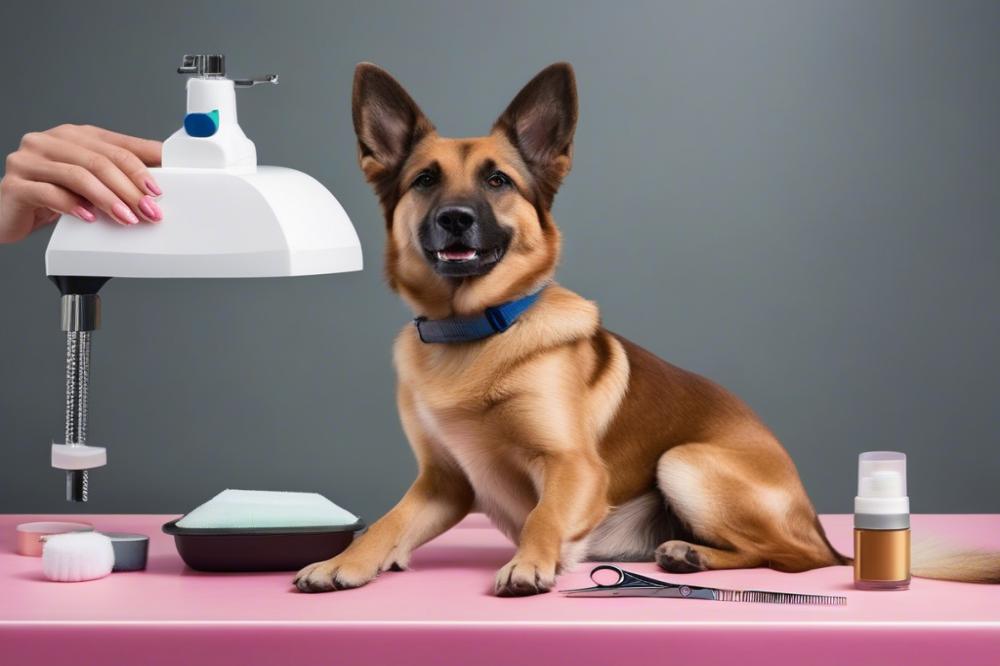
There are two main techniques for nail trimming: using clippers or grinders. Each has its own advantages. Clippers are quick and effective. They can create smooth edges if used correctly. On the other hand, grinders are great for a finished, polished look. This method reduces the chance of splintering as well.
Tools for Nail Trimming
Choosing the right tools is important for the job. Nail clippers come in different shapes and sizes. Scissor-type clippers work well for larger dogs. The guillotine-style clippers are better for smaller breeds. Grinders use a rotating abrasive tool to gently file down nails. Both tools can be valuable. They make the process less stressful if used properly.
Tips for Introducing Nail Care
Getting your dog used to nail care takes patience. Begin handling your dog’s paws from a young age. Assure them with calm voices and treats. Gradually introduce the tools, allowing them to sniff and explore. Make each session positive, even if you only manage a little trimming. Consistency is key in making your dog comfortable with nail trimming.
The Importance of a Nail Care Routine
Establishing a regular nail trimming schedule is crucial. Ideally, this should be done every 4-6 weeks. A proper nail care routine helps prevent overgrowth and keeps the nails healthy. Regular maintenance contributes to your dog’s overall wellness and comfort. Neglecting this aspect of pet grooming can lead to serious issues down the line. Healthy nails mean happier walks and playtimes.
Establishing a dog nail maintenance Routine
Frequency of nail trimming often depends on a dog’s activity level and lifestyle. Dogs that run and play on hard surfaces may naturally wear down their nails. However, indoor dogs or those that don’t get much exercise might need more regular attention to their paws. A good rule of thumb is to check nails every couple of weeks. If they touch the ground when your dog is standing, it’s time for a trim.
Observing your dog can provide clues on when nail trimming is necessary. If you hear clicking sounds on hard floors, that could indicate it’s time to snip those claws. Also, if your dog is showing signs of discomfort or avoiding walks, excessive nail length might be a cause. Painful nails can even lead to issues with proper dog health and mobility.
Integrating Nail Maintenance into Regular Pet Grooming
Nail care routine should complement overall pet hygiene. Consider scheduling nail trimming sessions during regular grooming appointments. This approach makes it easier to remember and reduces stress for your dog. Combining this task with baths or brushing can create a more enjoyable experience. Make these sessions a part of your dog owner’s guide to great pet care.
For those who may not be comfortable trimming nails, consulting a groomer or veterinarian is advisable. Professional help can provide a gentler approach for anxious pets. Keeping your dog’s nails in check contributes significantly to their overall wellness. Remember, consistent nail care is vital for your dog’s comfort, health, and happiness.
Additional Paw Care Considerations
Maintaining the health of your dog’s paws goes beyond just focused nail trimming. Consider that a dog uses its paws every day for walking, running, and playing. Healthy paws contribute greatly to overall dog wellness. Regular attention to the state of their pads and the spaces between their toes is essential for overall well-being.
Inspecting your dog’s paw pads should become part of your regular pet grooming routine. Signs of wear or injury can often be detected early during these inspections. Cracks or cuts on the pads may lead to infections, which can be painful for your furry friend. Between the toes, debris like sand or small stones can cause irritation. Keeping these areas clean is crucial for dog health.
The environment also plays a significant role in paw protection. Be cautious of hot pavement in the summer or icy surfaces in the winter. Sharp objects can easily injure sensitive pads, so always check where your dog is walking. Maintaining a safe space for your pet goes hand in hand with general paw care. This dog owner’s guide emphasizes the importance of being aware of potential hazards that might affect your dog’s paws.
A consistent nail care routine is important, but remember that paw care extends beyond just nails. Moisturizing the pads helps prevent cracking and discomfort caused by dry weather. Furthermore, if you notice persistent changes in your dog’s behavior, such as reluctance to walk, it might indicate a deeper paw issue. Always stay alert to these signs as part of comprehensive pet hygiene.
Final Thoughts on Nail Care for Your Dog
Regular nail care plays a vital role in your dog’s overall health. When nails are kept at a proper length, it helps prevent issues like joint pain and difficulty walking. Dogs who do not receive proper nail trimming may experience discomfort. Overgrown nails can cause injury to the feet and affect the way a dog moves. This discomfort may lead to potential long-term problems that can affect their lifestyle and happiness.
Dog owners should prioritize nail care as an essential part of their pet care routine. It is not just about aesthetics; it influences their wellness and hygiene. Setting aside time to maintain your dog’s nails should be viewed as a significant commitment. Consistent maintenance can create a bond between you and your furry friend. It can also make trips to the vet less stressful.
In summary, giving attention to your dog’s nails can have a lasting positive impact on dog health. Remember, a little effort goes a long way. Regular nail care evolves into a habit that benefits both you and your companion. With each trim, not only are you enhancing their comfort, but you are also promoting longevity and happiness in their active life.