
Understanding dog paw care Year-Round
Taking care of a dog’s paws plays a vital role in ensuring overall dog health. Paws are not just for walking; they are sensitive areas that endure a lot of wear and tear. Dogs frequently use their paws for various outdoor activities, so keeping them healthy is crucial. Summer heat or winter cold can both cause problems. This article will highlight seasonal challenges that can affect your dog’s feet.
In summer, hot pavement can burn sensitive paws. Dogs enjoy playing outside, but the heat might risk injury. On the other hand, winter brings snow and cold surfaces. Ice can create discomfort, and chemicals used to melt snow can irritate the skin. Owners must pay attention to these seasonal challenges. Using paw balm can help to guard against these issues.
Each season presents unique tips and protection methods. Summer paw care might include regular checks for cuts or blisters. During winter, dog grooming should include wiping paws clean after walks. These simple seasonal pet care practices will keep your furry friend safe. By recognizing the specific needs during each season, you can take proactive steps to maintain well-being.
Understanding Dog Paws
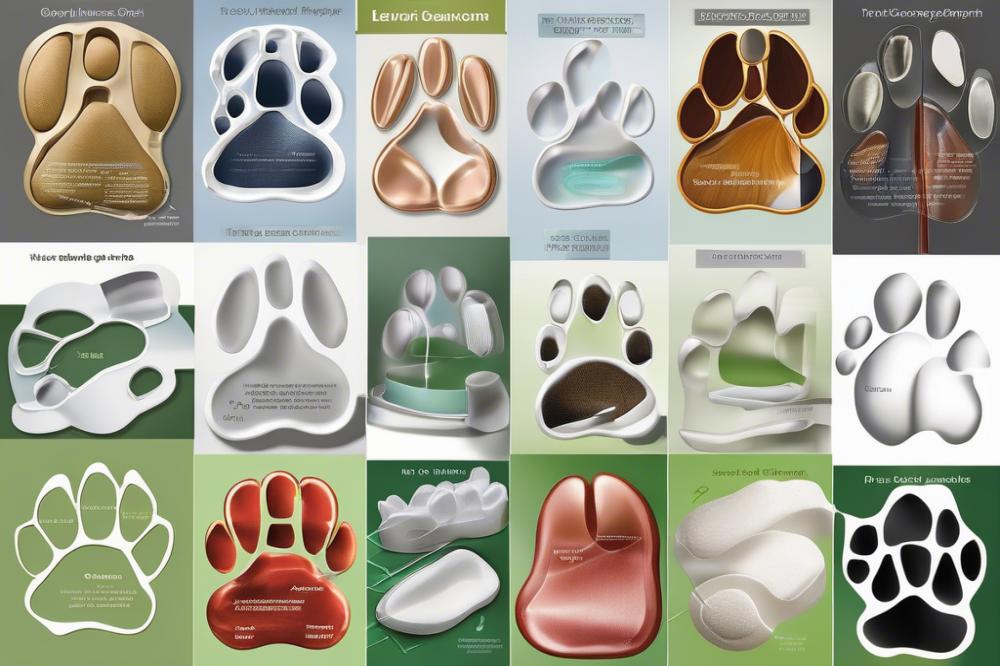
The anatomy of a dog’s paw is fascinating and complex. Each paw consists of several key parts: the pads, toes, claws, and the bones beneath them. These pads provide cushioning for walking, running, and jumping. They also act as a barrier against heat, cold, and rough surfaces. Knowing how a dog’s paw works can help owners keep their furry friends healthy.
Sensitive paws can face many issues throughout the year. During winter, ice and salt on roads can harm the pads, leading to chapping or cracks. Summer brings its own challenges with hot pavement that can easily burn tender feet. Regular inspections help catch problems early. Look for signs like limping or excessive licking. These can indicate discomfort or injuries that require attention.
The Role of Nails in Paw Health
Nails play an important role in overall dog health. Properly trimmed nails are crucial for balance and mobility. Long nails can cause pain and change the way a dog walks. This change might lead to injuries in the paws or legs. Conversely, grooming nails can promote healthier paws. Keeping nails trimmed reduces the chance of breakage, which can be painful.
paw protection is vital during seasonal activities. In winter, consider using a paw balm to keep pads hydrated. This treatment helps to protect against harsh weather conditions. Summer paw care involves checking for debris stuck between the toes. Grass seeds or small stones can become lodged, causing irritation. Regular grooming sessions can address these issues effectively.
Outdoor activities can expose dogs to a variety of hazards. Sharp thorns, hot sand, or freezing conditions can all lead to foot injuries. Pet safety is essential, especially in different climates. Being aware of what the conditions may do to paws can help prevent problems. It is recommended to monitor their time outside closely.
Winter Paw Care

During the colder months, protecting a dog’s paws from harsh conditions is essential. Cold weather can cause discomfort and injuries. Ice can create sharp edges that may cut sensitive paws. Dogs are often eager to play outside, making it important to pay attention to their foot health. Keeping their paws warm and safe ensures happy winter playtime.
A variety of hazards exists on sidewalks during winter. Many cities treat roads and walkways with salt and chemicals to combat icy conditions. These substances can cause irritation and burns on a dog’s paws. Stepping on such materials can also lead to digestive problems if they lick their feet. Being aware of these dangers is vital for pet safety.
There are strategies to protect paws in winter. Dog boots can provide effective protection against cold and sharp ice. These specialized shoes cushion and shield paws, helping dogs navigate slippery surfaces with confidence. If your dog resists wearing them, take time to acclimate them slowly. Alternatively, you can use paw balm as a barrier against frigid temperatures.
Paw balm also offers numerous benefits during winter. This protective ointment moisturizes and soothes cracked pads, promoting overall dog health. Applying balm before outdoor activities can help create a shield against the harsh elements. Regular use throughout winter can keep paws from drying out and becoming damaged. Proper grooming routines should include checking for snow or ice buildup between the paw pads.
Seasonal tips include cleaning paws after walks. Wiping them down can remove salt and dirt that cling to fur. This simple step can prevent irritation and maintain a dog’s comfort. Keeping an eye on your dog’s behavior is essential. If they seem to favor one paw or seem unusually wary, check their feet for any issues.
Summer Paw Care
Hot pavement can be a serious danger for dogs during the summer months. Exposed surfaces like asphalt can reach extremely high temperatures, which can burn sensitive paws. Whenever possible, test the ground with your hand. If it feels too hot for your palm, it’s not safe for your pet’s feet either. Walking your dog during cooler hours, such as early morning or late evening, is a safer choice.
Staying hydrated is crucial for both dog health and paw health. Ensure your furry friend has access to fresh water at all times. Dehydration can lead to health issues, which may include dry and cracked paw pads. Always carry water on outings, especially during hot days.
Outdoor activities are a great way to bond with your pet in summer, but precautions are necessary. Plan for breaks in the shade when enjoying long walks or hikes. Take time to examine your dog’s paws after each outing. Look for signs of irritation or injury. Watching for limping or changes in walking behavior is also important.
Regular dog grooming plays a significant role in preventing paw irritation. Keep the fur between the pads trimmed to avoid collecting debris like sand and small stones. Use paw balm regularly to moisturize your dog’s pads, especially after long exposure to hot ground. This can help alleviate discomfort caused by hot surfaces.
Year-Round paw protection
Protecting your dog’s paws is essential for their overall well-being throughout the year. Regardless of the season, it is important to maintain good paw health. Many dog owners overlook basic care, but many simple steps can make a significant difference. Regular checks for cuts, cracks, or debris can help prevent infections and keep your furry friend comfortable.
General Tips for All Seasons
All dog owners should keep a few key tips in mind. Always wipe down your dog’s paws after walks, especially if they’ve been on trails or sidewalks. Salt and chemicals used for de-icing can irritate sensitive paws. In hot weather, it’s wise to avoid walking on scorching pavement, as it can burn the pads. Additionally, keep a close eye on their surroundings during outdoor activities to prevent injuries from sharp objects or rough terrain.
The Importance of Regular nail trimming
nail trimming is a critical part of dog grooming that many owners forget. Long nails can cause discomfort and lead to issues with walking. On a practical level, shorter nails help your dog maintain better traction on various surfaces. This is especially true in winter when ice can make slipping a real danger. Schedule regular nail trims to ensure your dog remains comfortable and safe year-round.
Choosing the Right Dog Footwear for Different Environments
Footwear for dogs can vary significantly based on location and climate. In winter, consider getting boots designed for cold weather. These should provide insulation and traction to prevent slips. For summer paw care, lightweight shoes can protect against hot surfaces and sharp objects. If your dog resists wearing shoes, select a pair with a soft fit, allowing for comfort and ease. Look for breathable materials to keep paws cool during warmer months.
Training Your Dog to Accept Paw Protection
If your dog is hesitant about footwear, training is key. Start slow by letting them sniff the shoes before putting them on. Use positive reinforcement techniques like treats and praise to create a positive association with wearing them. Gradually increase the time they wear the shoes while at home before venturing outside. With patience, your dog can learn to embrace paws protection during walks and outdoor fun.
Applying paw balm can also be beneficial, especially in extreme temperatures. Moisturizing helps protect against dryness or cracking, ensuring paws stay healthy in every season. By keeping these tips in mind, you can ensure that your dog is ready for any adventure, while prioritizing their pet safety and comfort through effective paw care.
Maintaining Healthy Paws
Regular inspections are essential for every dog owner. Start by examining your dog’s paws during grooming sessions or after outdoor activities. Look for any signs of redness, swelling, or cuts. Pay attention to the spaces between their toes and under their pads. Foreign objects like splinters or small stones can often get stuck there. Checking their nails is important too; overgrown nails can cause pain when walking.
A dog with a paw issue may show signs of discomfort. Limping, licking, or avoiding putting weight on a paw should raise a red flag. If you notice excessive paw licking, it may indicate sensitivity or irritation. In cases of persistent problems, contacting your veterinarian is advisable. They can provide the best guidance and necessary treatment for any underlying conditions.
The connection between healthy paws and overall dog health cannot be overlooked. When a dog is comfortable, they tend to be more active and engaged. This behavior leads to happier pets and better bonding opportunities with their owners. Healthy paws can enhance their performance during outdoor play and activities. A dog’s willingness to explore and participate often correlates with their foot health.
Professional grooming plays a significant role in maintaining your dog’s paw care. Experienced groomers can expertly check for issues that may be missed during home inspections. Regular grooming sessions help manage fur between the toes that can trap dirt and moisture. They can also apply paw balm to protect against harsh weather. For dog owners who prioritize pet safety, professional grooming is a smart choice.
Take seasonal tips into account as well. Winter paw care involves keeping paws protected from ice and salt, while summer paw care focuses on hot pavement and rough terrain. A proactive approach ensures your dog’s paws remain healthy year-round. By staying attentive to your pet’s needs, you can help them lead a more comfortable and enjoyable life.
Final Thoughts
Recapping the seasonal approaches to paw care is vital for every dog owner. In winter, protective boots keep pads safe from ice and salt. Spring brings a need for regular checks, as mud and allergens can irritate delicate paws. Summer requires vigilance against hot pavement, while autumn is a time to remove pesky burrs and stickies. Each season holds its own set of challenges.
Proactive grooming and protection are key to maintaining optimal dog health. Regular paw inspections can spot problems early. Cleaning off dirt and debris prevents infections. Trimming nails regularly not only enhances comfort but also supports proper walking. Owners should connect with their pets during these routines, fostering trust and care.
Prioritizing paw care opens up a world of comfortable adventures. Healthy paws mean more enjoyable walks and playtime. Dogs thrive when their needs are met. By being attentive to their furry friends’ feet, you actively contribute to their happiness and well-being. Remember, happy paws lead to a happy pup!