
Introduction
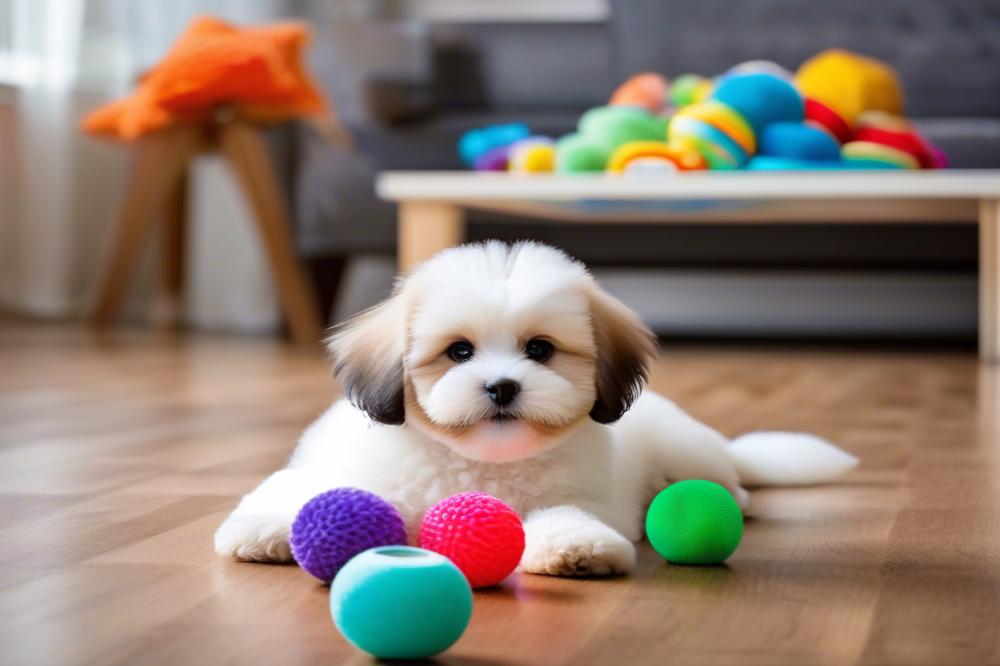
The Shihpoo is a delightful mix of the Shih Tzu and Poodle breeds, combining the playful nature of both. This blend creates a small, friendly dog that appeals to many. With their charming personalities and low-shedding coats, Shihpoos have become popular companion animals. However, owning a Shihpoo comes with responsibilities, particularly in terms of training.
Training plays a pivotal role in developing good behavior in any dog. For a Shih Tzu Poodle mix, proper training is especially important, as it helps shape their temperament and social skills. Without effective training, a Shihpoo can develop unwanted behaviors, such as excessive barking or stubbornness. A consistent approach to training not only molds their behavior but also enhances the bond between the dog and owner.
Several strategies can be employed for Shihpoo training. Focus on positive reinforcement techniques to create a loving environment. Rewards like treats or praise can motivate your dog to learn and obey. Start with basics, such as housebreaking. Gradually move on to more advanced commands and obedience training. Socialization will also be crucial, exposing the Shihpoo to various environments and other dogs.
Puppy training should not be overlooked. Early interactions, proper grooming, and attention to a dog’s needs are vital components of raising a well-behaved pet. When training your Shihpoo, be patient and consistent. Your efforts will pay off in the long run, resulting in a happy, well-adjusted companion.
Understanding Shihpoo Traits
Physical Characteristics of Shihpoos
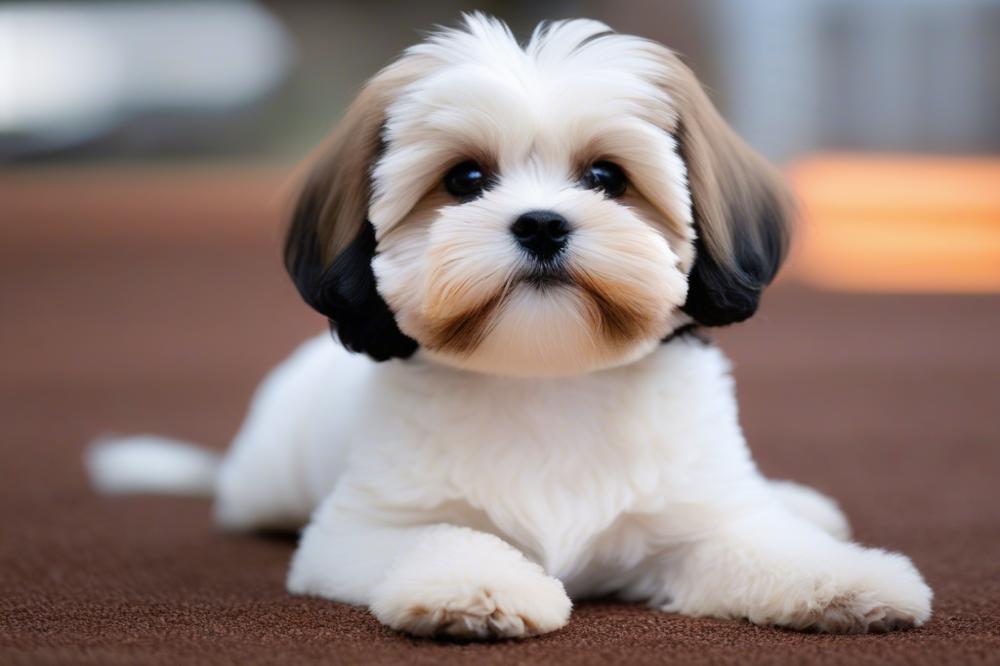
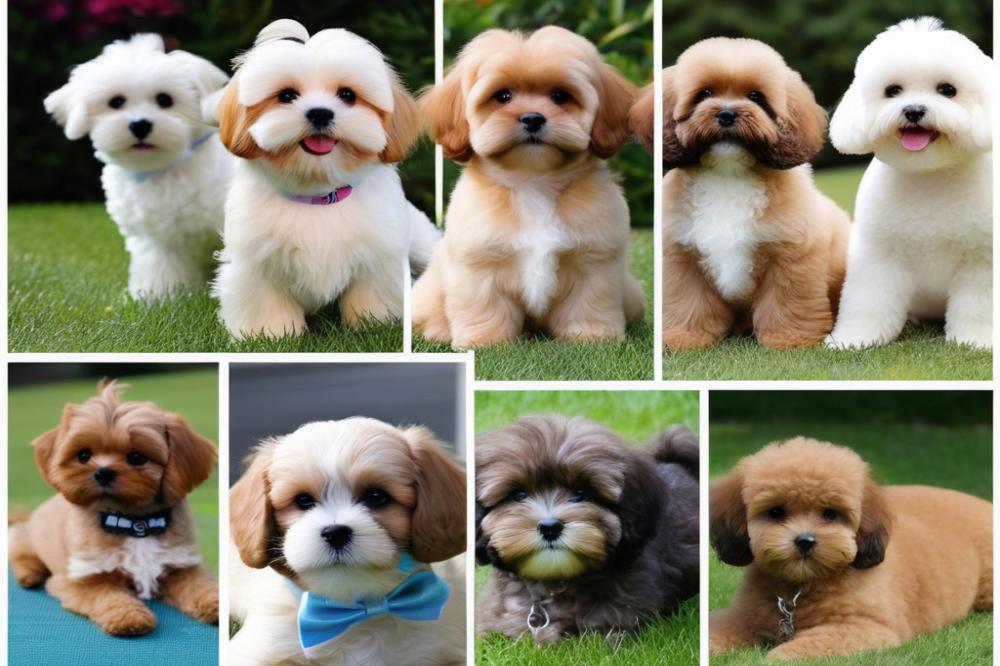
Shihpoos are a delightful mix of Shih Tzu and Poodle traits. Their size is typically small, making them great companions for living in apartments. Expect to see a fluffy coat that can be curly or wavy, depending on whether they take more after their Poodle parent. Various colors are common, including black, white, brown, and combinations of these. The face often resembles the Shih Tzu, with a cute, short muzzle and large, expressive eyes. These features make them look adorable and playful.
Behavioral Traits Inherited from Shih Tzu and Poodle
Shihpoos come with a blend of behaviors from their parent breeds. From the Shih Tzu side, they inherit a friendly and affectionate nature. poodles contribute intelligence and an eagerness to please. This combination creates a dog that is both loving and smart, making them responsive to training. They may enjoy playtime and cuddling equally, showing a well-rounded personality. However, their intelligence means they can get bored easily if not stimulated. Engaging them mentally is vital for good behavior.
Common dog behavior Patterns in Shihpoos
Shihpoos often display a few common dog behavior patterns. Socialization is essential. They typically get along well with other pets and children, thanks to their friendly disposition. Housebreaking can be a challenge, so early puppy training with a consistent schedule is beneficial. Occasionally, they may show stubbornness, especially if bored. Their playful nature means they love interactive games. Positive reinforcement is a great tool to encourage good habits and obedience training.
Importance of Recognizing Individual Temperament
Every Shihpoo is different, shaped by both genetics and environment. Recognizing individual temperament is crucial in training. Some may be more energetic, while others tend to be calm and reserved. Understanding your dog’s unique personality helps tailor training tips and activities. This personalized approach can enhance their overall happiness and lead to better behavior. Proper grooming also plays a role in maintaining a Shihpoo’s well-being. A happy dog is more receptive to learning and adapting, which is essential for successful training.
Puppy Training Essentials
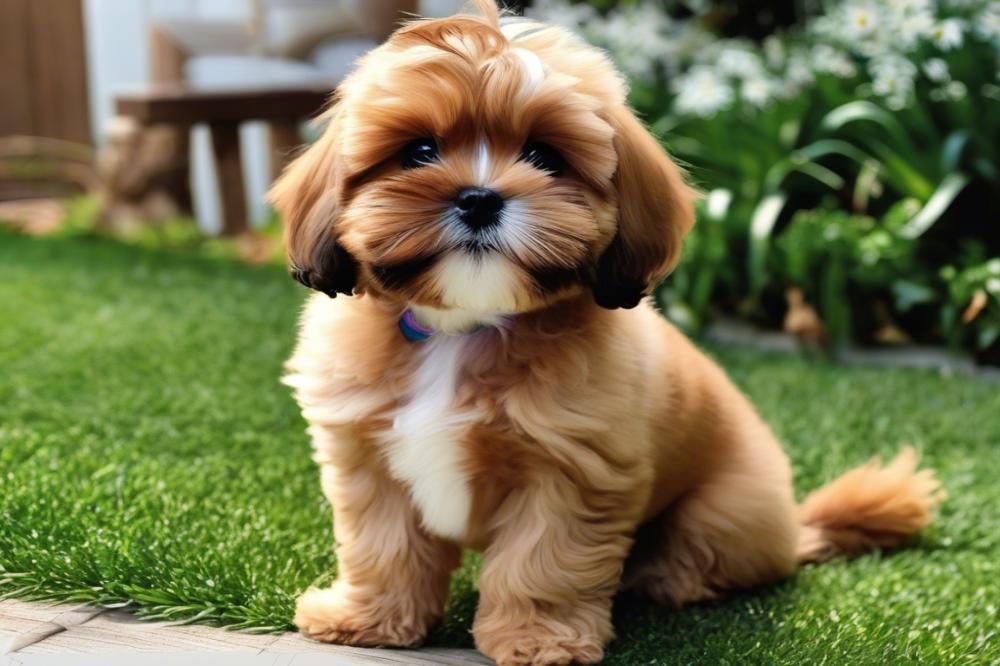
Training a Shihpoo begins with understanding the importance of early training. Puppies are like sponges, absorbing everything around them. Starting young helps to shape their behavior into something positive. It also sets the foundation for lifelong habits. A well-trained dog ensures a more harmonious relationship between pet and owner.
Basic Commands and Obedience Training Techniques
Introducing basic commands is a crucial step in puppy training. Common commands include “sit,” “stay,” and “come.” Practicing these skills daily can dramatically improve your dog’s behavior. Keep training sessions short and engaging to hold their attention. Gradually increase the complexity of commands as your Shihpoo masters the basics.
Incorporating Positive Reinforcement in Training
Positive reinforcement is essential for teaching good behaviors. This can be achieved through treats, praise, or playtime. Reward your dog immediately after they respond correctly to a command. This connection between action and reward creates an eager learner. Avoid punishment, as it can lead to fear and anxiety in your Shihpoo.
Establishing a Routine for Consistent Learning
A consistent routine enhances puppy training significantly. Set specific times for meals, walks, and training sessions. Regular schedules help your dog feel secure and know what to expect. Incorporate housebreaking into your daily routine as well. Regular bathroom breaks assist in preventing accidents inside the home.
Socialization and Grooming
Socialization is another critical aspect of training. Introduce your Shihpoo to various environments, sounds, and other dogs. This exposure will help them adapt to new experiences. Grooming can also be part of socialization. Regular brushing and bathing instill comfort and trust with handling.
Housebreaking Your Shihpoo
Housebreaking is often one of the first challenges for new Shihpoo owners. It’s crucial to establish a routine early on. Using a consistent potty schedule helps your dog understand where and when to go. Take your Shihpoo outside first thing in the morning, after meals, and before bedtime. This clarity makes the training process more straightforward.
Strategies for Effective Housebreaking
Crate training serves as a useful method for housebreaking. Dogs naturally avoid soiling their sleeping area. Therefore, a properly sized crate can encourage your dog to hold it until taken outside. Introduce the crate gradually, making it a comfortable space with dog bedding and toys. Keep a close eye on your Shihpoo when it’s not in the crate. Taking them outside at the first sign of restlessness or sniffing is vital.
Recommended Housebreaking Schedules and Methods
Every puppy is different, but a routine can lead to success. Follow a schedule that aligns with your dog’s eating and drinking habits. Most young dogs need to relieve themselves every couple of hours. By creating a chart that outlines their meals and elimination times, you provide your Shihpoo with a clear structure. Rewarding bathroom success with treats or praise is effective. This encourages good bathroom habits and reinforces their understanding of what you expect.
Importance of Patience and Consistency
Training requires patience. Expect accidents to happen, especially in the beginning. Rather than punishing, focus on correcting the behavior positively. If mistakes occur, clean the area thoroughly to remove odors. Repetition is a key part of teaching your Shihpoo. Consistency helps reinforce learning. Stick to your established routine to give your dog the best chance of success.
Using Positive Reinforcement for Successful Bathroom Habits
Positive reinforcement is a cornerstone of effective puppy training. When your Shihpoo goes potty outside, celebrate it! Use enthusiastic praise or small treats. This approach builds confidence and encourages repeat behavior. Dogs learn faster in a supportive environment. Over time, your Shihpoo will associate going outside with positive experiences.
Socialization for Shihpoos
Socialization plays a crucial role in puppy training. Young Shihpoos need exposure to diverse people, pets, and environments. This helps develop their confidence and good dog behavior. A well-socialized Shihpoo will likely be happier and behave better in various situations. Starting early is key to successful socialization.
Importance of Socialization in Puppy Training
When puppies interact with others, they learn how to communicate. This decreases the chances of fear and aggression later in life. It fosters a friendly and well-adjusted temperament. Without proper socialization, a Shihpoo could become shy or overly protective.
Effective Socialization Techniques with People and Other Dogs
Invite friends and family over to meet your puppy. Allow your Shihpoo to explore different types of people. Encourage gentle interactions. Visits to dog parks also provide valuable experiences with other dogs. Look for controlled playdates with well-mannered pets. These moments teach your puppy to behave properly and respect boundaries.
Gradual Exposure to Different Environments and Situations
Take your Shihpoo on car rides to various locations. Exploring parks, stores, and busy streets will expand their comfort zone. Each new experience should be introduced gradually, without overwhelming your puppy. This strategy helps prevent fear when faced with new situations. Create a routine that includes varied environments to enrich their life.
The Role of Positive Reinforcement in Encouraging Good Social Behaviors
Positive reinforcement is essential in training tips for your puppy. Whenever your Shihpoo displays good behavior, reward them with praise or treats. This establishes a connection between good actions and enjoyable outcomes. Consistency is vital to ensure your puppy learns what is acceptable. Incorporating positive methods will help reinforce the lessons during training sessions.
Advanced Training Tips
Building on basic obedience training is essential. After mastering commands like sit, stay, and come, work on more advanced skills. Shihpoos can learn a variety of commands, so challenge them with tasks like fetching specific items. Next, try introducing tricks and interactive games to keep training fun. Fun activities can include playing hide-and-seek or teaching them how to roll over. Tricks not only entertain but also improve their focus and engagement.
Continuing to utilize positive reinforcement for complex behaviors is vital. Reward your Shihpoo for completing tricky commands. Use treats, praise, or toys as motivators. Positive reinforcement fosters trust and makes your dog excited about learning. Each successful action should lead to a celebratory moment, encouraging them to repeat the behavior. Retain consistency during this phase for the best results.
Adjustment of training techniques to fit your Shihpoo’s personality can make a big difference. Observe their reactions during different types of training. Some might thrive on high-energy sessions, while others may prefer calm and gentle guidance. The blend of Shih Tzu and Poodle breeds can lead to unique traits. Tailoring your approach can enhance their learning experience.
Housebreaking remains a priority, even during advanced training phases. Regular potty breaks, positive rewards for outdoor success, and patience play significant roles here. Socialization also cannot be overlooked. Introduce your pup to various environments and other dogs. This exposure builds confidence and improves overall behavior.
When introducing grooming as part of their routine, remember that dogs can be sensitive. poodles often need regular haircuts, so help your Shihpoo become comfortable with grooming tools. A desensitization approach can ease anxiety around the process. General care contributes to their good behavior as well, making them more relaxed overall.
Grooming and Its Role in Behavior
Regular grooming is essential for Shihpoos. These adorable blends of Shih Tzu and Poodle have a unique coat that requires consistent care. Without proper grooming, a Shihpoo can develop matting and skin issues. Ensuring your dog is well-groomed will lead to overall better health.
Interestingly, grooming can influence dog behavior, too. A calm and positive grooming routine helps Shihpoos feel secure. This practice fosters trust between pet and owner, which can translate to improved behavior during training sessions. When a dog feels relaxed, they are more likely to respond well to positive reinforcement techniques. Training tips, such as being gentle and patient during grooming, encourage good behavior.
Establishing a Grooming Routine
Creating a grooming routine is vital. Start by setting a specific day and time each week. Consistency helps the dog know what to expect. Brush your Shihpoo regularly to remove loose hair. This also helps prevent tangles. Bathing should be done every few weeks, depending on activity level. After bathing, dry your pet thoroughly to prevent chills.
Incorporating play into these sessions can keep things enjoyable. Use treats to reward your furry friend during grooming. This will create a positive association with the process. Socialization is another component of this routine. Allowing your dog to interact with other pets during grooming can enhance both social skills and ease of handling.
Bonding through Grooming Sessions
Bonding through grooming can lead to a stronger relationship. Spending time brushing your Shihpoo builds trust. Speaking softly and petting gently can make a big difference. This interaction is beneficial for obedience training, as it reinforces the connection you share.
Engaging in puppy training strategies during grooming helps solidify commands and expectations. Use this time to reinforce your dog’s understanding of good behavior. Establishing commands like “stay” or “good dog” during grooming can aid in overall housebreaking and training. These routines provide structure and reinforce positive habits in your Shihpoo.
Wrapping Up Your Shihpoo training Journey
Recapping the importance of training a Shihpoo reveals how vital it is for good behavior. Establishing solid routines and boundaries can lead to a happy, well-adjusted pet. Utilizing various techniques not only helps with obedience but also promotes a strong bond between you and your dog. Simple commands like “sit” and “stay” aren’t just about control; they’re the building blocks of effective communication.
Positive reinforcement stands out as a critical factor in shaping ongoing behaviors. When rewarding your Shihpoo with treats or praise, remember that consistency is key. The happier and more engaged your pet feels, the better their responses will be. Lifelong good behavior flows from this trust and encouragement.
Training does not have to be a chore. In fact, it can be a joyful experience full of laughter and connection. Every moment spent teaching your Shihpoo presents an opportunity to deepen the bond you share. Enjoy the process and appreciate the small victories. Watching your dog thrive as they learn new skills is incredibly rewarding. With every trick learned, you help mold positive dog behavior that lasts a lifetime.

