
Understanding the Importance of Training Your Dog
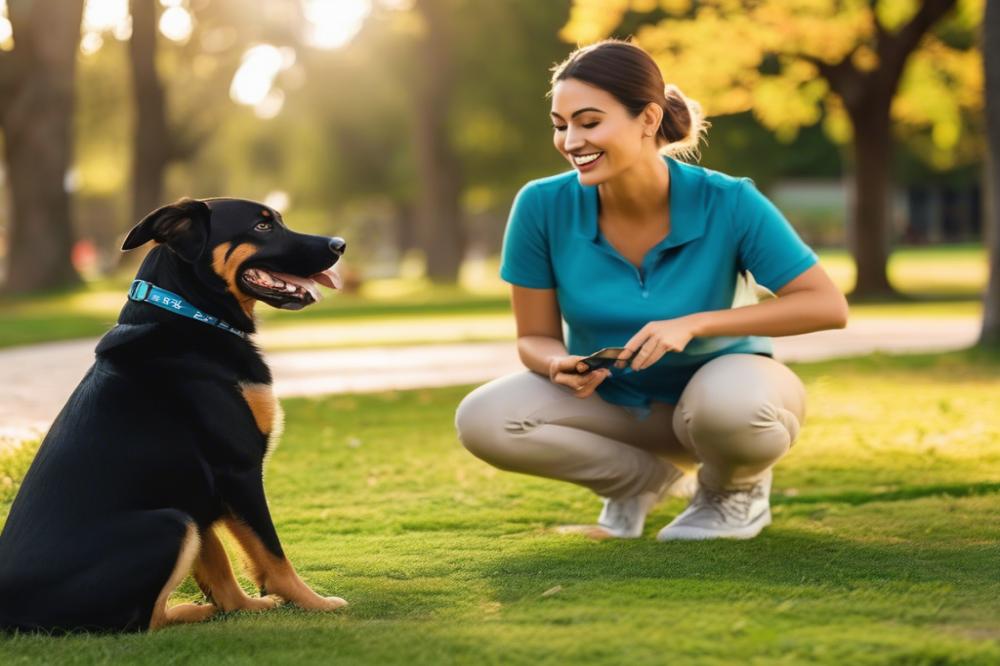
Training a dog is not just about teaching tricks; it’s a vital part of ensuring a harmonious relationship between you and your furry friend. A well-trained dog provides companionship and helps create a safe environment. When a dog understands basic commands, it can confidently interact in various situations, making outings and visits more pleasant.
Basic obedience commands such as sit, stay, come, heel, and down form the foundation of effective communication with your pet. These commands promote good behavior and establish trust. A solid grasp of these fundamentals can make everyday life much smoother for both the owner and the dog.
Teaching these commands brings numerous benefits to a pet’s behavior. For instance, consistent training encourages a dog to listen better and reduces the chances of mischief. Moreover, utilizing training tips that focus on positive reinforcement reinforces good behavior. This approach not only teaches commands but also strengthens the bond you share.
Leash training is another aspect that pairs well with obedience training. Dogs that respond well to basic commands walk nicely on a leash, making walks enjoyable. The right amount of patience and practice goes a long way in achieving success in dog training.
In conclusion, learning obedience commands enhances your dog’s life and improves its behavior. Taking the time to train your pet results in a happier, more socially aware companion. Your efforts will undoubtedly lead to a stronger and more fulfilling relationship.
Understanding Basic Commands

Every dog owner should know some basic commands. These commands include sit, stay, come, heel, and down. They form the foundation of effective communication between you and your dog. Each command has a purpose and benefits your daily life in different ways.
The command “sit” is one of the first many dogs learn. It helps to calm your pet in exciting situations. When a dog sits, it shows control and patience. “Stay” is crucial for safety. It can prevent your dog from running off or getting into dangerous situations. Picture your dog at the park. A well-trained dog will stay put when you ask, ensuring its safety.
Next, “come” is vital for recalling your dog. This command is particularly useful in public spaces. If your dog hears it, they should return quickly. It enhances trust and helps establish a strong bond. In contrast, “heel” teaches your dog to walk beside you. This command is essential for leash training. Walking together becomes enjoyable and orderly rather than chaotic.
The command “down” instructs your dog to lie down. This position encourages relaxation. It can also be helpful in crowded areas where your dog needs to be quiet. Understanding these basic commands greatly improves your dog’s behavior. Having a well-behaved dog makes outings more pleasant for both of you.
Using positive reinforcement is a powerful training tip. Treats, praise, and affection motivate your dog to learn. Celebrating small victories builds enthusiasm. Each command learned improves communication with your dog. Instead of guessing your pet’s desires, clear commands foster understanding.
By practicing these commands regularly, your dog becomes more responsive. Over time, consistency in training strengthens the connection you both share. Each successful command enhances the overall discipline of your pet. In turn, it leads to a more harmonious household.
Effective dog training Techniques

Overview of Popular Dog Training Methods
Many dog owners want to teach their pets basic commands like “sit,” “stay,” “come,” “heel,” and “down.” Various methods exist for achieving this goal. Some people choose traditional training, which often relies on corrections. Others prefer more modern techniques that focus on cooperation. Familiarizing yourself with each approach is important. This helps in selecting the best fit for your dog. Understanding your pet’s behavior will guide you in your choice.
Positive Reinforcement: Definition and Benefits
Positive reinforcement is a popular method that rewards good behavior. This strategy involves giving treats, praise, or toys when your dog follows a command. The goal is to encourage more of the desired actions. Because dogs learn quickly this way, they often respond positively. With consistent rewards, your pet may become more motivated and eager to learn. This method not only fosters a loving bond but also builds trust between you and your dog.
Consistency and Patience in Training Sessions
When you engage in training sessions, consistency is essential. Every command should be used in the same way each time. If you say “sit,” use that exact word every time to avoid confusion. Patience also plays a key role. Dogs, like people, need time to learn new things. They might not get each command right away. Repeating commands and rewarding progress helps them understand. Finally, practice leash training and reinforce good dog behavior during walks. This helps the dog connect various commands with their actions.
Step-by-Step Guide to Teach Basic Commands
Teaching ‘Sit’: Steps and Tips
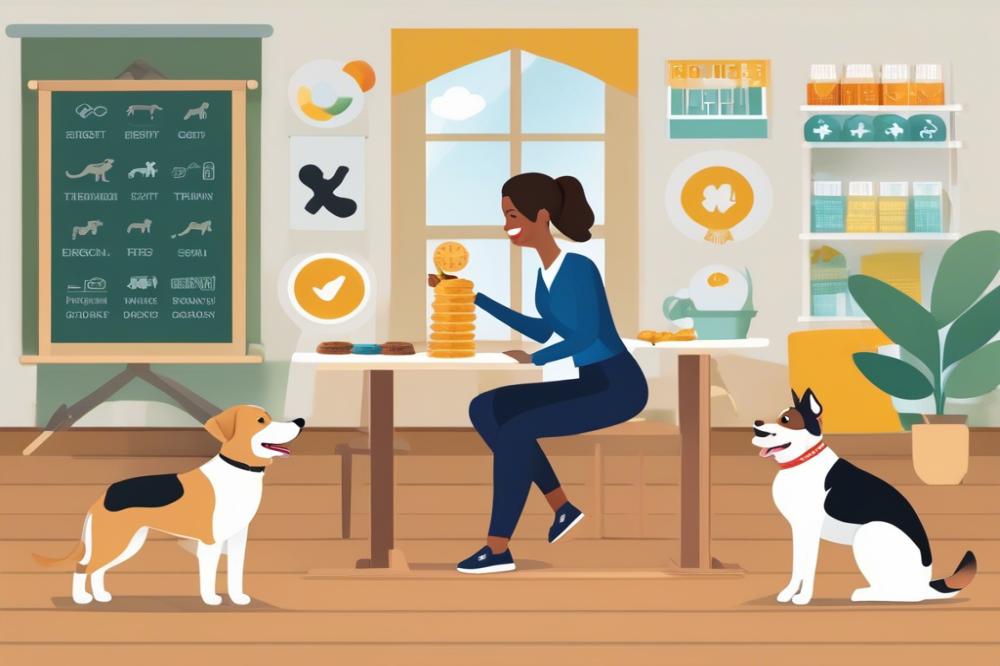
Begin with your dog standing in front of you. Hold a treat close to their nose. Move your hand up, allowing their head to follow. This should naturally cause their rear end to lower. Once they sit, say the command “sit” clearly. Positive reinforcement works wonders here. Give them the treat and lots of praise. Repeat this several times. Consistency is key. Practice in various locations to strengthen the command.
Teaching ‘Stay’: Steps and Tips
Start with your dog in a sitting position. Use the “stay” command while showing your palm, as if signaling someone to stop. Take a slow step back. If they stay, reward them immediately. Gradually increase the distance and duration. Practice this in short sessions. It’s important to build their confidence. Begin in a quiet area, then add distractions as they improve. Always reward good behavior.
Teaching ‘Come’: Steps and Tips
The “come” command is vital for safety. Begin indoors with no distractions. Use a leash for control. Call your dog’s name followed by “come” in an enthusiastic tone. When they approach, reward them generously. If they don’t respond, gently tug on the leash. Repeat this frequently for best results. Once your dog masters this indoors, practice outside. Keep sessions short and fun to maintain interest.
Teaching ‘Heel’: Steps and Tips
Leash training is essential for teaching “heel.” Start walking with your dog by your side. Use treats as motivation. Whenever they pull ahead, stop walking. Call them back to your side and reward when they comply. Keeping them close reinforces good dog behavior. Practicing turns and stops also helps them learn how to follow you. Remember to remain patient as they learn.
Teaching ‘Down’: Steps and Tips
Begin with your dog in a sitting position. Hold a treat in front of them, then slowly lower it to the ground. As their nose follows the treat, they should lay down. When they are lying down, say “down” and reward them. Repetition will enhance their understanding. Use this command during playtime to make it enjoyable. Short, positive sessions lead to faster learning.
Incorporating Leash Training
Importance of Leash Training in Obedience
Leash training is essential for good dog behavior. It helps keep your pet safe during walks. A well-trained dog can enjoy outdoor adventures without pulling or running off. Mastering this skill also reinforces other basic commands like sit, stay, and come. Practicing leash techniques enhances the bond between you and your dog.
Techniques to Teach Heel on a Leash
To begin, choose a calm environment free from distractions. Start with your dog in a sitting position. Encourage your dog to walk beside you by using the command “heel.” Use treats as rewards when your dog stays close. You can also change your pace or direction to keep your dog engaged. If they pull ahead, stop walking. Remember to wait until your dog returns to your side before moving again. Consistent practice helps solidify the behavior.
Tips for Maintaining Control During Walks
Maintaining control is vital during walks. Use a leash that matches your dog’s size and strength. Ensure it is not too long to prevent excessive pulling. Keeping treats handy can help redirect your pet’s attention if they become distracted. Be patient and provide positive reinforcement when your dog follows your commands. If barking or lunging occurs, pause and calmly redirect their focus to you. Regular practice builds confidence in you and your dog. Each successful walk helps reinforce the training you’ve worked on together.
Training Tips for Success
Creating a positive training environment is vital for success. Choose a quiet place without distractions. This allows your dog to focus on you. Make the setting comfortable for both of you. A peaceful space will help your pet stay calm.
Using rewards effectively makes training more enjoyable. Dogs respond well to positive reinforcement, like treats or praise. When your dog listens and performs a command, immediately reward them. Timing is crucial; the reward should come right after the behavior. This reinforces their learning and builds a strong bond.
Avoiding common training mistakes can save time and frustration. One mistake is demanding too much too soon. Start with simple commands like “sit” or “down.” Gradually increase the difficulty as your dog becomes more confident. Patience is key during the learning process.
Tailoring training to your dog’s personality can enhance the experience. Each dog is unique and learns differently. Some may be more energetic while others are calmer. Adjust your training approach based on their behavior. For instance, an excitable dog might benefit from leash training. A quieter dog may find success in a relaxed setting.
Encouraging a strong focus on basic commands is essential. Teach cues like “come” or “stay” using excitement. Use an upbeat tone to engage them. Reward success with a toy or playtime. This forms a positive association with the commands.
A supportive atmosphere fosters better learning. Always keep sessions short and fun. If your dog seems frustrated, give them a break. Ending on a high note can reinforce their desire to learn. Celebrate progress, no matter how small.
Monitoring Progress and Adjusting Techniques
How to Assess Your Dog’s Understanding of Commands
Observing your dog’s response to basic commands is key. When you say “sit,” does your dog lower its rear immediately? If the response is delayed or inconsistent, this suggests a need for further practice. Watch for body language too. A wagging tail may indicate excitement, while a lack of response could show confusion. Training sessions should be short but frequent. Aim for about 5 to 10 minutes each time. Repetition is essential for learning, but too much can lead to frustration for both of you.
When to Adjust Training Methods for Better Results
Changing your approach can be necessary when progress stalls. If your dog struggles with “stay,” consider whether the environment is distracting. Reducing such distractions may help. Alternatively, you might need to adjust the reward system. Positive reinforcement is highly effective, but it must be appealing. Some dogs respond better to treats, while others prefer play or praise. Always remain patient. A shift in technique can sometimes yield immediate improvements.
Importance of Ongoing Practice and Reinforcement
Establishing a routine is crucial for reinforcing learned skills. Practicing commands like “come,” “heel,” and “down” at different times of the day keeps the training fresh. Frequent short sessions are preferable to infrequent long ones. Aim to integrate commands into daily life. For example, use leash training to reinforce “heel” during walks. Maintaining consistency will help your dog understand what’s expected. Remember, ongoing practice helps solidify good behavior. Keep challenging your dog throughout its life. This approach nurtures a deeper bond and enhances overall dog behavior.
Wrapping Up Your Training Journey
Basic obedience commands serve as the foundation for a happy and well-adjusted dog. Having your pet respond to simple cues can enhance safety and improve the quality of your time together. A dog that understands commands like “sit,” for instance, is more likely to exhibit good manners at home and in public. Establishing this level of communication builds trust between you and your furry friend.
Practicing regularly with positive reinforcement makes a world of difference. Rewarding your dog with treats, praise, or affection reinforces their learning. Consistency is key, so try to incorporate training into your daily routine. Short, fun sessions will keep your dog engaged and eager to learn. This will help establish a solid understanding of basic commands over time.
Ultimately, training is about more than just commands. It provides a wonderful opportunity to bond with your dog. Every successful interaction fosters a deeper connection. Take pleasure in the small victories along the way. Remember, patience and persistence are your best allies. As you teach your dog, you will both grow and learn together. Cherish these moments, as they lay the groundwork for a lifelong friendship.

