Introduction
nail trimming is an essential part of dog care that often goes overlooked. Regular grooming helps maintain not just the appearance of your pet, but also their health and comfort. Overgrown nails can lead to discomfort while walking and may result in long-term issues, such as painful injuries or even joint problems. Prioritizing proper canine nail care allows your dog to stay happy and active.
Home grooming offers several advantages for you and your furry friend. It saves money that would typically go to pet grooming services. Owners can also develop a stronger bond with their pets during the process. Clipping dogs’ nails at home also reduces stress for many animals, as they feel more at ease in their familiar environment. Learning trimming techniques can empower you to take control of your dog’s overall well-being.
Pet safety is another crucial aspect to consider. When nails are too long, they may catch on surfaces or tear, causing pain. In contrast, regular maintenance reduces the risk of accidents. Proper nail clippers can make this task easier, ensuring a clean cut and minimizing the risk of injury. By taking the initiative to trim dog’s nails yourself, you’ll foster a sense of responsibility and attentive care for your pet.
Fostering good habits surrounding nail maintenance allows for healthier and happier pets. In the following sections, we will discuss effective methods and tips to make this grooming task easier for both you and your dog. By establishing a comfortable routine, you can elevate your dog health while enjoying the grooming process together.
Understanding Dog Nail Anatomy
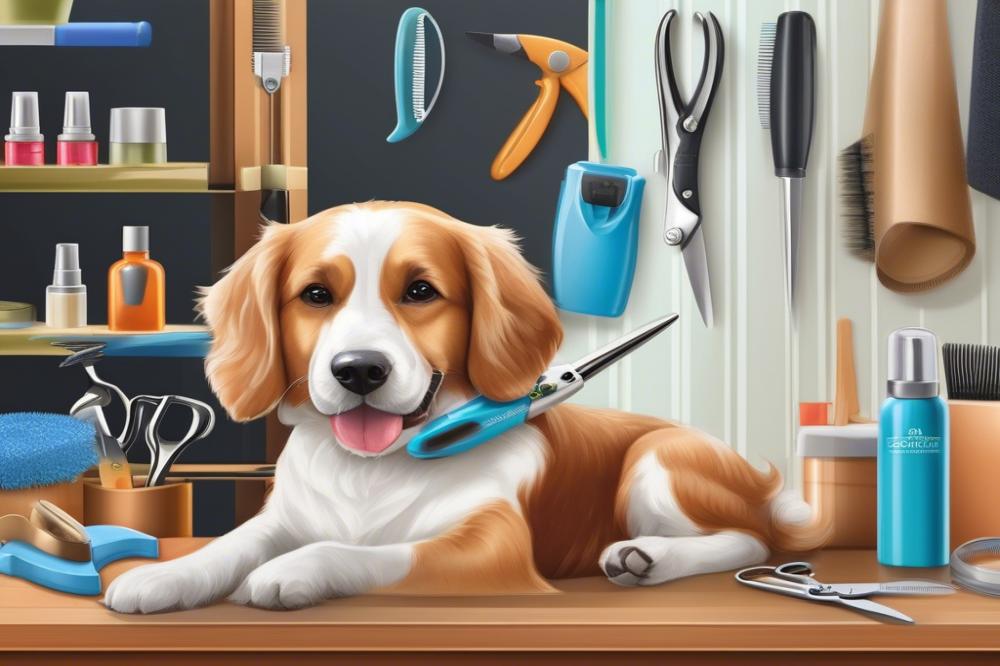
To effectively manage your dog’s nail maintenance, it’s essential to grasp the basic structure of canine nails. Dog nails consist of two main parts: the hard outer shell known as the nail, and a sensitive inner structure called the quick. This inner portion houses blood vessels and nerves, which makes it important to avoid cutting into it during grooming sessions.
Nail growth patterns can vary significantly among dogs. Some dogs may need trimming every few weeks, while others may only require it monthly. Factors influencing this include the dog’s activity level and surface they walk on. Regular walks can naturally file down nails, reducing the frequency of required clippings.
Focusing on the quick is vital for safe pet grooming. The quick may be more visible in dogs with light-colored nails, appearing as a pink area. Dark nails, however, present a challenge. It’s often difficult to see the quick, so caution is necessary when clipping dogs’ nails. Trimming technique should prioritize avoiding this sensitive area, especially with darker nails.
Awareness of different nail colors can guide your trimming approach. In dogs with clear or light-colored nails, you can see the quick easily. This visibility allows for safer cuts. On the contrary, darker nails necessitate more conservative trimming to prevent injury. Keeping an eye on nail length by regularly checking their condition can improve overall dog health.
Remember that nail clippers come in various styles. Choosing the right one can enhance your home grooming experience. Guillotine style clippers are useful for small nails, while larger, scissor-type clippers can work better for medium to large breeds. Understanding these tools and maintaining a good routine supports dog care.
Essential Tools for dog nail trimming
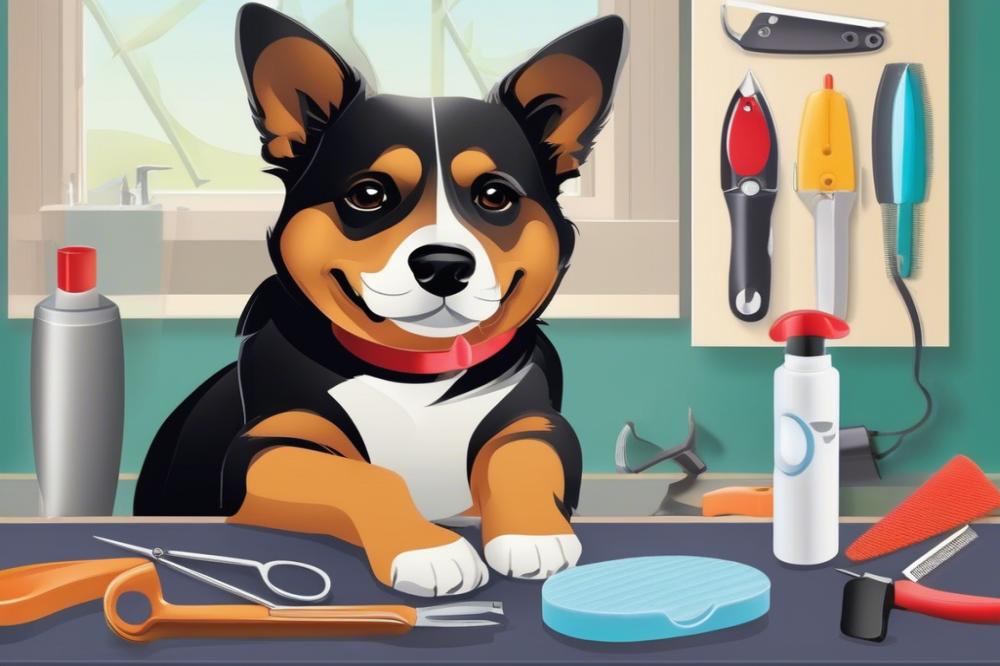
Proper pet grooming requires the right tools. Selecting suitable nail clippers is essential for effective dog care. There are a few types available, each designed to meet different needs. Knowing the options helps you make informed choices for your dog’s nail health.
Overview of Different Types of Nail Clippers
Scissor-type clippers resemble household scissors and offer a comfortable grip. They work well for small to medium-sized dog breeds. There are guillotine-style clippers, which use a sharp blade to slice through the nail. These can be effective for larger dogs. Lastly, locking nail clippers provide safety features that prevent accidental cuts, making them ideal for beginners.
Comparison of Nail Clippers, Grinders, and Other Grooming Tools
Nail grinders are an alternative to traditional clippers. They use a rotating grinder to smooth out the nail edges. This method can reduce splintering and give a polished look. However, some dogs may find the noise from grinders frightening. It’s crucial to understand your dog’s temperament when choosing tools.
Other grooming tools include nail files and brushes. A file can be used after clipping to smooth rough edges. Regular brushing keeps your dog’s coat healthy and helps with overall pet safety. Always consider your dog’s comfort level when introducing them to new tools.
Tips for Selecting the Right Tools
Prioritize your dog’s size and breed when selecting clippers. A tool suitable for a Great Dane may not be ideal for a Chihuahua. Additionally, look for clippers with comfortable grips to avoid hand fatigue. Quality is vital; investing in reliable tools can make home grooming easier.
Reading product reviews can also guide your choices. Many resources discuss the effectiveness and durability of different equipment. It can be wise to seek recommendations from veterinarians or professional groomers, as they often have first-hand experience with various products.
Lastly, consider your dog’s personality. Some dogs are calm during nail maintenance, while others may resist. Managing their stress is essential for safe canine nail care. When you find the right tools, the process of clipping dogs’ nails becomes much smoother.
Preparing Your Dog for Nail Trimming
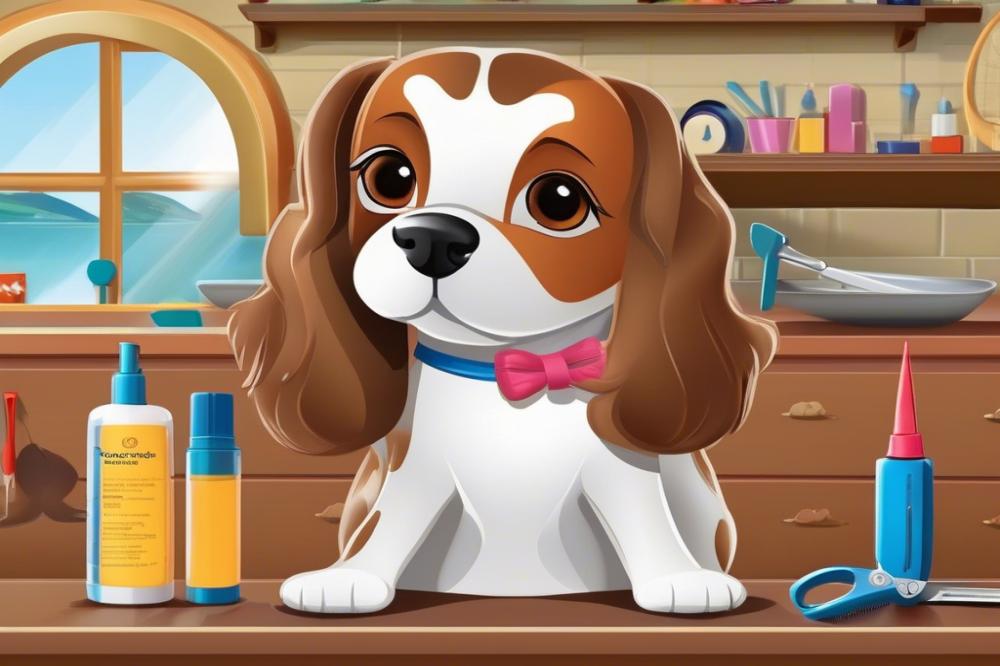
Importance of Establishing a Calm Environment for Pet Safety
Creating a calm atmosphere is crucial for pet grooming. Nervous pets can become skittish. This can result in hurried movements and even accidental injuries. Soft lighting and quiet surroundings help reduce anxiety levels. Play gentle music in the background to further soothe your dog. Avoid distractions that might startle them. A peaceful setting promotes trust and safety during the nail trimming process.
Techniques for Getting Your Dog Accustomed to Nail Trimming
Start by introducing nail clippers before any trimming begins. Let your dog sniff the clippers. Associating the tool with positive experiences is helpful. Offer treats or praise when they show comfort with the clippers. Gradually touch their paws without clipping. This is an essential step in reducing their fear. Try to handle their paws regularly, even without the clippers. Repetition will make the experience feel normal over time.
Steps to Safely Handle Your Dog During the Trimming Process
Position your dog on a non-slippery surface, such as a mat. This ensures they feel stable. Use gentle restraint if necessary. Firmly but kindly hold a paw to keep it still. Talk to your dog softly throughout the process. Reassurance can calm anxieties. Only trim a small amount of nail at once, especially if your dog is nervous. If you notice any signs of distress, pause the trimming and offer comfort. Patience is key when managing dog care tasks such as this. Regular practice can improve both your skills and your dog’s comfort levels over time.
Trimming Techniques for Effective Dog Nail Maintenance
Clipping dogs’ nails at home can be a rewarding experience for both you and your pet. Start by gathering the necessary tools. Nail clippers designed for dogs are essential. They come in different shapes, such as guillotine-style or scissors-type. Choose the type that feels comfortable for your hand.
Before you begin, familiarizing your dog with the process is crucial. Sit in a quiet place where your dog feels safe. Gently hold one of your dog’s paws. Allow them to get used to the idea of having their nails handled. Gradually, this builds trust between you.
Next, find the right angle to hold the paw. Hold it in a way that gives you clear visibility of the nail. Look closely at the nail and identify the quick, which is the pink area containing blood vessels. This part is important to avoid when trimming. For dogs with black nails, it may be tougher to see. In that case, trim little by little until you see a gray or white circle.
When ready, use the nail clippers to make a swift and clean cut. Be gentle but firm. It’s best to keep the clipper perpendicular to the nail for a neat cut. If your dog reacts during this step, take a break and calm them with a gentle voice. Patience is key in pet grooming.
Alternative Trimming Techniques for Different Nail Types and Sizes
Various dogs have different nail types and sizes. Puppies usually have softer nails, while older dogs may have thicker ones. For smaller breeds, tiny nail clippers are available to make the task easier. Larger breeds might require clippers designed specifically for their weight and size. If your dog has very hard nails, consider using a nail grinder for a smoother finish.
Using a grinder allows for precision and helps prevent splitting. It can take longer than clippers, so be prepared for a longer session if you choose this method. Regardless of your approach, always take breaks if your dog becomes anxious. Rewarding your pet with treats after each clipping can make the experience more positive.
Highlighting the Importance of Regular Nail Checks and Maintenance
Regular nail checks are critical for your dog’s health. Long nails can cause discomfort and pain while walking. They may also lead to issues with balance or even injury. Keeping up with their nail maintenance can prevent these problems.
Performing routine checks every two weeks is advisable. To get into a good habit, try to make it a part of your dog care routine. While clipping the nails, always observe any changes in your dog’s paws that may indicate discomfort or infection. Examining the paws regularly can significantly benefit their overall pet safety.
Consider scheduling regular trimming sessions at home as part of canine nail care. Consistency not only keeps their nails at a proper length but also creates an opportunity for bonding. Remember, regular maintenance leads to a healthier, happier pup.
Post-Trimming Care and Rewards
Once you finish clipping dogs’ nails, it’s important to take care of your furry friend. Check for any signs of discomfort right after the trimming. A gentle rub on your pup’s paws can help calm them down. If you notice any bleeding or injury, have some styptic powder ready. This powder works wonders in stopping bleeding quickly.
Rewarding your dog right after trimming can make a big difference. Treats come in handy here! Give them a small morsel or their favorite toy. Praise in a soft voice also helps them associate nail care with positive experiences. Some pet owners even use clickers to mark the good behavior. Each successful trimming session can be a chance for bonding.
Ongoing canine nail care is crucial for overall dog health. Setting up a routine will boost pet safety. Regular maintenance prevents long nails that might cause pain or injury. Developing good trimming techniques early on will pay off in the long run. Frequent checks and trims can also make your dog comfortable with the process. Involve them by letting them sniff the nail clippers first. This builds trust and eases anxiety.
Home grooming sessions should be short and focused. Plan to trim a few nails at a time during the week. Consistency is key to reducing stress for both you and your pet. Keeping equipment like nail clippers clean and sharp can make the experience smoother. Use low-stress methods to keep your dog calm. Each session is a step towards better dog care.
Wrapping It Up
To sum it all up, trimming your dog’s nails at home is not just a task but a vital part of dog care. Remember the key points covered: start with the right tools, choose a comfortable setting, and be patient with your furry friend. A calm environment helps both you and the dog feel more relaxed during the process.
Regular nail maintenance promotes better health for your pet. Keeping those nails trimmed can prevent painful splits and injury. It even contributes to your dog’s overall well-being and happiness. When you prioritize this simple practice, you’re making a significant investment in their comfort.
Engaging in home grooming offers more than just health benefits. It builds a stronger bond between you and your dog. This shared experience can ease anxiety for both of you and instill trust. The more you do it, the easier it becomes. With practice, it can turn into a positive routine that you both look forward to.
As you embark on this journey of pet grooming, remember that you’re doing something valuable. Being proactive in caring for your dog’s nails goes a long way in ensuring a happy, healthy life. So grab those clippers, find your groove, and enjoy the rewarding experience of caring for your canine’s needs.