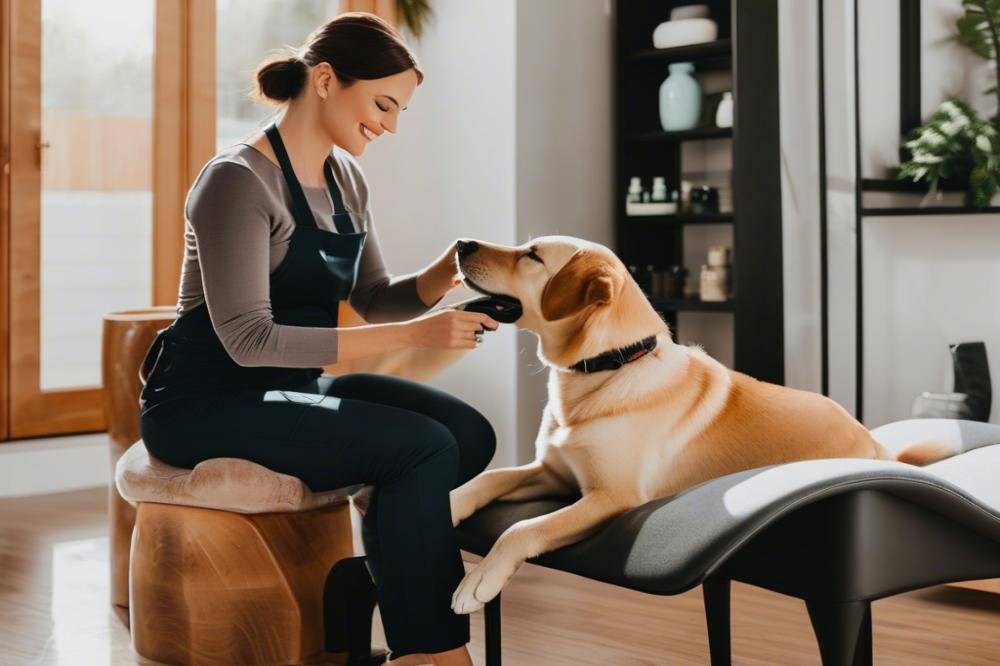
How to Calm Your Dog During nail trimming Sessions
nail trimming is an essential part of pet care. Maintaining healthy nails contributes significantly to a dog’s overall well-being. Dogs rely on their claws for traction and mobility. Overgrown nails can lead to discomfort and possibly health issues. Failing to trim can affect a dog’s walking posture and lead to pain. It is crucial for pet owners to prioritize this grooming task.
Many dogs experience anxiety during nail trimming. The sound of nail clippers can be frightening. Some pets even associate the process with past trauma. This anxiety can manifest in different ways, such as excessive trembling or attempts to escape. Addressing dog anxiety is vital for a smooth grooming session. Sometimes, this stress can lead to negative behaviors in other areas of their lives.
This article aims to offer practical tips for calm dog nail trimming. Strategies such as desensitization can make the process easier for both dog and owner. Positive reinforcement plays a key role as well. By using treats for dogs, owners can create a safe environment where their pets feel comfortable. With dog grooming, patience is essential. Following the right techniques can lead to a stress-free experience.
Understanding Dog Anxiety

Signs of Anxiety During Grooming and Nail Trimming
Many dogs show clear signs of anxiety during grooming sessions, especially when nail clippers come out. A dog may pull away or try to escape when they sense that nail trimming is about to begin. Excessive panting or pacing may occur, signaling that a dog feels nervous. Some dogs might even hide or tremble, indicating their discomfort. Yawning or licking their lips repeatedly can also be subtle signs of stress. Understanding these behaviors is important for a calm grooming experience.
Common Causes of Anxiety Related to Nail Trimming
Several factors contribute to a dog’s anxiety around nail trimming. Past experiences, such as a poorly executed trim or a painful clip, can create lasting fear. New environments can also play a role, as unfamiliar places may increase stress levels in a pet. Certain noises, like the sound of clippers, can trigger anxiety. Additionally, some breeds are more prone to anxiety due to their temperament or past interactions. Identifying these causes is crucial for effective pet care.
Importance of Recognizing and Addressing Dog Anxiety
Recognizing dog anxiety is essential for effective pet training. If owners understand their dog’s reactions, they can adapt their approach. Using positive reinforcement, such as treating dogs after each successful trim, can be very effective. Techniques like desensitization can help dogs become more comfortable with nail clippers over time. Developing a stress-free nail trimming routine will benefit both the pet and the owner. Everyone involved will enjoy this process when anxiety is managed properly. Creating a calm atmosphere is key. Emphasizing gentle techniques and consistent grooming tips promotes a peaceful experience.
Preparation for a Stress-free Nail Trimming Session

Choosing the Right Nail Clippers for Your Dog
Selecting appropriate nail clippers is crucial. Various types exist, such as scissor-style or guillotine-style clippers. Think about your dog’s size and nail thickness. Small dogs might require smaller scissors, while larger breeds may need heavy-duty clippers. Quality tools can make a significant difference in the experience. A good pair of nail clippers can reduce the risk of accidents, thus lowering the anxiety your dog may feel.
Creating a Calm Environment for Grooming Sessions
The atmosphere plays a vital role in reducing dog anxiety. Pick a quiet area free of distractions and noise. Soft lighting may help soothe your pet. Soft music or white noise can mask any sudden sounds that could startle your dog. Always try to keep the space familiar for your furry friend. A comforting environment allows your dog to be more at ease during the grooming process.
Gathering Necessary Tools
Prepare your tools before starting. Gather treats for dogs to use as a reward. Having nail clippers ready is essential, but don’t forget to have a file or grinder if needed. Cotton balls and some styptic powder can be helpful in case of accidental cuts. Keeping everything at hand reduces interruptions and keeps the session flowing smoothly. A well-prepared setup helps in building a routine.
Establishing a Routine for Consistency
Dogs thrive on predictability. Create a schedule that works for you and your pet. Consistent timing can lessen the fear of nail trimming. Always use positive reinforcement after each successful clip. This may be through treats, praise, or even extra gentle strokes. Gradually desensitize your dog to the entire process, starting with just holding the clippers near their paws. Break down each session into manageable steps. Sudden changes can provoke unwanted stress and lead to a struggle, so patience is crucial.
Using Positive Reinforcement Techniques
Positive reinforcement is a powerful method in pet care. This approach encourages good behavior rather than punishing unwanted actions. When it comes to nail trimming, using treats can be very effective. The aim is to associate the experience with something enjoyable. With time, your dog may even look forward to nail clippers instead of fearing them.
How Treats for Dogs Can Encourage Calm Behavior
Dogs tend to respond well when rewarded with treats. This reward system can help calm dog anxiety during nail trimming sessions. Offering a tasty snack immediately after a successful trim reinforces the behavior. Dogs need to connect calmness with positive outcomes. Each treat builds a bridge toward a stress-free nail trimming experience.
Setting Up a Reward System for Successful Nail Trimming
Establishing a clear reward system is vital. Begin by introducing your dog to the nail clippers without any trimming. Allow your pet to sniff them and get comfortable. If your dog remains calm, provide a treat. Gradually progress by touching the clippers to their paws. Always reward them for staying relaxed. This step-by-step process promotes desensitization and helps with the overall grooming tips.
Incorporating Praise and Affection During the Process
Praise can be just as important as treats for dogs. Use a soothing voice to reassure your furry friend. Gentle words of encouragement will help them feel safe. During the nail trimming process, pause occasionally to offer affection. Cuddling or petting can reinforce the positive behavior. This combination of rewards creates a supportive environment for your dog. With patience and consistency, nail trimming can become a less dreaded experience for both of you.
Desensitization Strategies
What is desensitization and how it applies to nail trimming
Desensitization is a process that helps reduce a dog’s fear or anxiety. Many dogs feel stressed during nail trimming sessions. This stress can turn into anxiety, making it harder for both pet and owner. By using desensitization, owners can help their furry friends become more comfortable with nail clippers and paw handling. This strategy involves taking gradual steps to introduce the dog to the tools and sensations involved in grooming.
Step-by-step approach to desensitize your dog
Start the process by creating a calm environment. Choose a quiet spot in your home where distractions are minimal. Begin with simple exposure. Show your dog the nail clippers, allowing them to sniff and examine the tool. Keep the sessions short and relaxed. Remember, the goal is to make the experience positive and stress-free.
Next, handle your dog’s paws gently. You can do this while your dog is relaxed, perhaps during a calm petting session. Touch their paws a few times and reward them with treats for dogs. This builds a positive association with paw handling. Gradually increase the time spent on this activity, always rewarding good behavior.
Gradual introduction to nail clippers and handling paws
The clippers should be introduced slowly. After your dog is comfortable with you handling their paws, open the clippers near them without using it. Let them hear the sound it makes, but keep the experience brief. If your dog shows signs of fear or anxiety, stop and return to a previous step. It’s important not to rush this process as pacing is key.
Once your dog seems relaxed with the sound, you can mimic a clipping motion without actually trimming their nails. Praise them during this phase. Positive reinforcement plays a crucial role in shaping dog behavior. Afterward, slowly begin to trim one nail at a time while giving treats.
Tools and techniques to aid in desensitization
Consider using various tools during this process. A Dremel tool can be less intimidating for some dogs than traditional nail clippers. You may also want to try different types of nail clippers to see which your dog prefers. Be patient as each dog responds differently.
Engage in short, frequent sessions instead of long grooming marathons. This eases the tension often associated with dog grooming. Use calming music or a speaker to reduce any external noises that may distract or stress them. Always keep some treats handy. Rewarding your dog when they remain calm helps reinforce good behavior.
Incorporating these strategies will guide you towards a stress-free nail trimming experience. Over time, your dog will associate clipping sessions with positive experiences rather than fear. Gaining their trust during this process is essential for successful pet care.
Grooming Tips for a Better Experience
Timing and Frequency: When to Trim Nails
Understanding when to trim your dog’s nails is essential in pet care. Most dogs need their nails trimmed every 3 to 4 weeks. Pay attention to your dog’s activity level. High-energy dogs that exercise on hard surfaces may need less frequent trimming than those with a more sedentary lifestyle. Choose a time when your pet is calm and relaxed. After a long walk or play session can be an ideal moment.
Keeping Sessions Short and Engaging to Prevent Stress
Short sessions help reduce dog anxiety. Aim to keep each nail trimming session under ten minutes. If your dog becomes restless or stressed, take a break. Revisit the task later when your dog is more settled. Introducing grooming gradually can help your furry friend accept it better. Start with just one paw at a time. Over time, this method builds comfort with grooming and enhances dog behavior.
Innovative Techniques for Distraction: Using Toys or Treats
Using treats for dogs can greatly enhance the experience. Offer a favorite snack or toy during trimming to keep their focus. You could also try puzzle toys filled with goodies to engage your dog’s mind. While distracting, have the nail clippers in the other hand. Just a soft touch against the nails can get your pet used to the idea. This approach is often referred to as desensitization, which fosters a positive association with grooming.
Importance of Regular Paw Checks and Grooming Habits
Regularly checking your dog’s paws can prevent discomfort. Look for signs of joint pain or unusual wear on the nails. Instilling a habit of routine grooming can pay off significantly. Dogs who are accustomed to being examined are generally calmer during nail trimming sessions. This proactive shade of pet training helps establish trust between you and your pet. Remember, a stress-free nail trimming environment not only protects their health but also strengthens your bond.
Bringing It All Together
Recapping the key points can help solidify your approach to your dog’s nail trimming sessions. Start with positive experiences by introducing your dog to nail clippers gradually. Use treats and calm voices to create a friendly environment. Regular practice can make a difference, so don’t hesitate to groom frequently, even if it’s just for a few minutes at a time.
Patience is crucial during these moments. Understand that your dog may feel anxious, and it could take time for them to adjust. Consistency in your approach fosters trust, which is essential in building a better relationship during grooming. Celebrate small victories, no matter how minor they seem. This will encourage your furry friend to feel more relaxed each time you bring out the tools.
Finally, nurturing a positive grooming connection with your dog is about more than just nail trimming. Engaging in pet care activities that your dog enjoys will make grooming easier. Whether it’s brushing or playing before you start, these interactions build a strong bond. Over time, your dog will associate these moments with love and safety. Keep striving for a stress-free experience, and remember that every effort you make is another step toward that goal.