Introduction
Caring for your dog’s paws is vital to their overall well-being. Those little paw pads endure a lot of wear and tear. Every day, they touch various surfaces during walks and playtime. Neglecting paw care can lead to injuries and discomfort, affecting your pet’s quality of life. A regular care routine helps keep their paws both healthy and protected.
In this guide, we will cover several essential topics. First, we will explore the significance of regular nail trimming. Properly maintained nails are crucial for a dog’s mobility and comfort. You’ll also learn about seasonal paw care, which is important to adjust routines based on changing weather conditions. Next, we will discuss different products, such as paw moisturizers and dog shoes, that aid in enhancing paw health.
Moreover, we will address potential paw injuries and how to treat them effectively. Dog walking presents unique challenges, but with the right knowledge, you can manage those risks. Lastly, a section on pet care tips will help you form a comprehensive approach to dog grooming and paw maintenance. By the end of this article, you will possess the knowledge to provide optimal dog paw care, ensuring your furry friend stays happy and healthy.
Understanding Dog Paw Anatomy
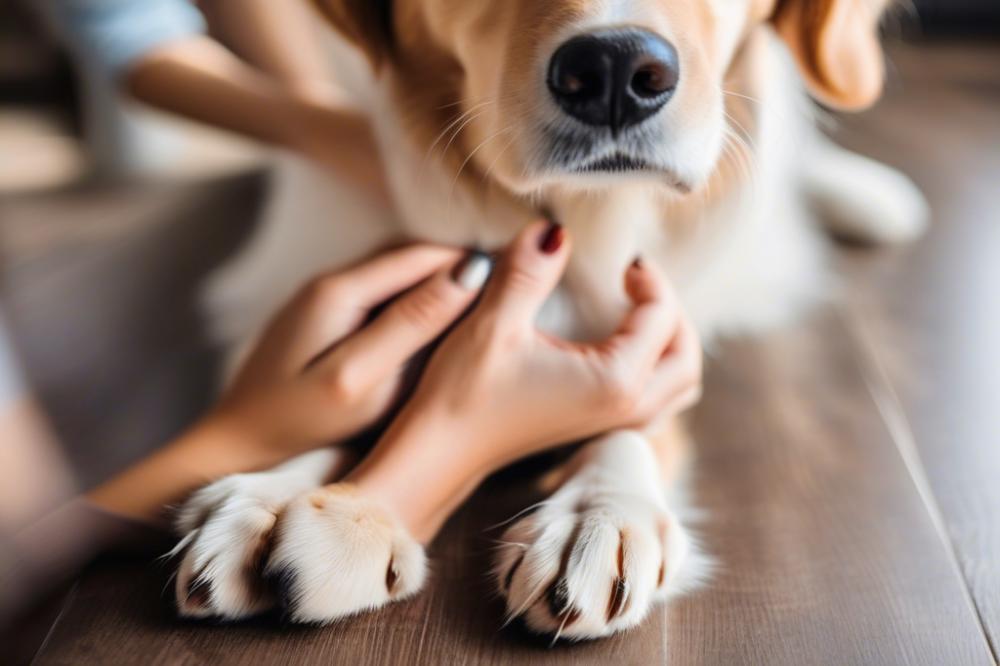
Every dog has a unique design when it comes to its paws. The overall structure includes various components like the paw pads, nails, and bones. These features work together to support mobility and absorb shock. The pads act as cushions while offering insulation and traction on different surfaces. Each paw consists of five toes, but some breeds may have dewclaws, which are the extra toes higher up the leg.
Role of Paw Pads and Nails in Overall Health
Paw pads play an essential role in the comfort of your dog. They are thick and tough, helping to protect underlying tissues from rough terrain. Healthy pads allow for better grip during dog walking and running. Conversely, damaged pads can lead to painful paw injuries. nail trimming is equally important for your pet’s well-being. Overgrown nails can become snagged or break, which may cause pain during normal activities.
Importance of Proper Paw Function
Proper paw function affects your dog’s overall quality of life. Any discomfort can lead to changes in behavior or activity levels. Maintaining good paw health should include regular inspections. Look for signs of redness, cracks, or foreign objects stuck between the pads. Seasonal paw care is crucial as well. Hot pavement in summer or icy surfaces in winter can impact comfort and safety. Using paw moisturizers can help protect against dryness and cracking. Additionally, consider dog shoes for added protection during extreme weather conditions. Pet care tips, such as checking paws after walks, can prevent many common issues.
Essential Nail Trimming Techniques
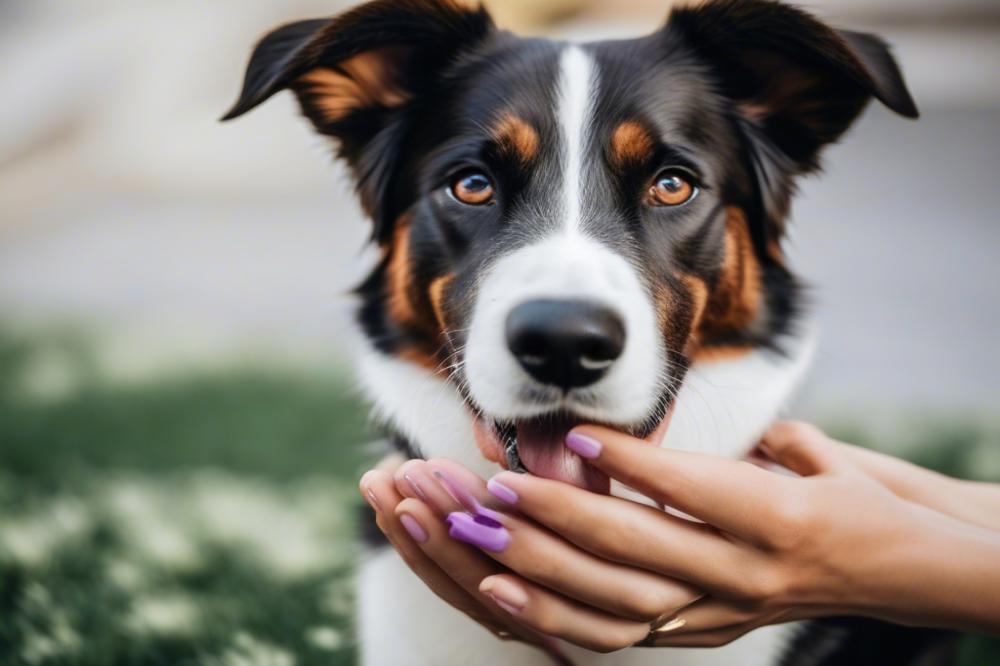
Nail care plays a vital role in dog grooming. Long nails can cause pain and discomfort. They can also lead to paw injuries, which can affect your dog’s mobility. Keeping those nails trimmed is essential for your pet’s health. In addition, regular nail trimming contributes to overall paw health.
Recommendations for Nail Trimming Frequency
Dogs generally need nail trimming every three to four weeks. However, some factors can influence this timeline. Active dogs who spend time on hard surfaces may wear down their claws naturally. For others, especially older pets or those with less activity, monitoring nail length becomes crucial. Always check the length regularly to determine if it’s time for a trim.
Step-by-Step Guide to Safe Nail Trimming
Gather your supplies first. You will need dog nail clippers or grinders, a file, and treats. Start by getting your dog used to having their paws handled. Hold their paw gently to examine the nails. Next, trim just the tip of each nail, avoiding the quick, which is the sensitive part containing blood vessels. If you see a pink part inside the nail, stop. File the edges to prevent sharpness. Finally, offer praise and a treat for a positive experience.
Tips for Easing Anxiety During Nail Trimming
Many dogs feel anxious when it comes to nail trimming. Make the experience positive by using treats or toys as rewards. Begin with short sessions to prevent stress. Gradually increase the time spent on each paw, helping your dog adjust. Using paw moisturizers can also soothe them before trimming, making the process easier. Consider playing calming music to create a relaxed environment.
Maintaining Healthy Paw Pads
Common Issues Affecting Paw Pads
Every dog owner should recognize the problems that can arise with paw pads. Cracked or dry pads can cause pain and discomfort. Often, foreign objects like stones or thorns can become lodged between the pads. Allergies might also lead to irritation. Hot pavement in summer or icy sidewalks during winter can damage tender paws. Identifying these issues early is key to ensuring your dog remains active and happy.
Importance of Regular Inspections
Taking a moment to inspect your dog’s paws regularly can prevent many significant problems. Look over the paw pads for signs of wear, tearing, or redness. Also, check for any swelling or unusual growths. Regular inspections can catch issues before they require veterinary attention. A brief look after walks or playtime is a simple yet effective habit. Maintaining their paw health is a crucial part of overall pet care.
Steps for Cleaning and Caring for Paw Pads
When cleaning your dog’s paws, a few steps can make a big difference. After every walk, rinse the paws with warm water to remove dirt and debris. A gentle wipe with a soft cloth works wonders too. In addition to washing, trimming nails is essential for comfort. Long nails can create strain and lead to injuries. Dog grooming should include careful attention to paw care as well.
Introduction to Paw Moisturizers and Their Benefits
Paw moisturizers are a fantastic option for keeping dog paw pads soft and healthy. These products can prevent dryness, especially in harsh weather. Using a moisturizer regularly can soothe cracked pads and protect against future issues. Before applying, clean the pads to remove dirt or debris. Afterward, massage a small amount of moisturizer into the pads, focusing on the dry areas. Consider dog shoes for added protection during extreme temperatures. They can be a valuable tool during seasonal paw care practices.
Seasonal Paw Care Tips
Different seasons bring unique challenges for your dog’s paw health. Each time of year can affect the comfort and well-being of those little paw pads. Understanding how to care for your dog’s paws is important for their overall happiness. Here are some key tips for each season.
Winter Paw Care: Dealing with Ice, Salt, and Cold
When winter arrives, ice and salt make walks less enjoyable. The cold air can dry out dog paw pads. It’s crucial to check their paws after each walk. Salt can cause irritation and cracks. Rinsing their paws with warm water helps remove harmful chemicals. Consider using paw moisturizers to keep skin soft. Dog shoes provide extra protection against cold surfaces and sharp ice. Keeping their nails trimmed is also important to help prevent injury while navigating slippery conditions.
Summer Paw Care: Avoiding Hot Pavement and Sand
In the summer, hot pavement can hurt your dog’s sensitive paws. The temperature of concrete can rise enough to cause burns. Before heading out, touch the ground with your hand. If it’s too hot for you, it’s too hot for them. Walking during cooler times, like early morning or late evening, can be more pleasant. Sand at the beach can have a similar effect. Always check their paws for sand or debris that could cause discomfort. Providing plenty of water during outings is essential for hydration.
Impact of Weather on Dog Walking and Outdoor Activities
Weather plays a significant role in dog walking and outdoor activities. Rain can make surfaces slippery, leading to paw injuries. It’s important to monitor conditions closely. Hot or cold temperatures can quickly affect your dog’s stamina and interest in outdoor play. Plan shorter walks in extreme weather and provide plenty of breaks. Make sure to have dog grooming supplies handy after your adventures to clean their paws. Your attention to these details will help maintain their overall paw health throughout the year.
Preventing and Treating Paw Injuries
Paw injuries can happen for many reasons. Dogs are active animals that love to explore. Sharp objects like glass or metal can cut their paw pads. Hot pavement or icy surfaces can also lead to burns or frostbite. Nail trimming is crucial because overgrown nails can split or break. These are some of the common types of paw injuries that pet owners should be aware of.
First Aid for Minor Injuries
For minor injuries, immediate action is important. First, you should clean the area gently with water. If there’s bleeding, applying light pressure with a clean cloth can help. After cleaning, consider using a paw moisturizer to keep the area hydrated. Bandaging the paw can provide additional protection until it’s healed. Always monitor the injury for signs of infection, like swelling or discharge.
When to Consult a Veterinarian
Some injuries require professional care. Signs that it’s time to see a vet include excessive bleeding, deep wounds, or if your dog is limping. Dogs may also show signs of pain, like whining or licking the injured area. If you see anything unusual, don’t hesitate to get help. Timely treatment can prevent further issues and may save your dog from unnecessary pain.
Importance of Protective Measures Like Dog Shoes
Protective measures are essential for paw health. Dog shoes can shield paw pads from harsh environments. They offer additional protection during dog walking on hot asphalt or icy paths. Seasonal paw care is vital as well. In winter, the salt and chemicals used to melt ice can irritate their paws. Wearing shoes can help keep those harmful substances away from sensitive areas. Dogs can benefit from paw care products designed to keep their pads in top condition.
dog paw care and Grooming Routine
Incorporating Paw Care into Regular Grooming
Building a solid grooming routine means including paw care as a key element. During regular grooming sessions, take time to check your dog’s paw pads. Look for signs of wear, cuts, or foreign objects lodged between toes. Cleaning the paws thoroughly is just as important as brushing the coat. Use a damp cloth to wipe away dirt or mud after dog walking. This practice helps eliminate any debris that could cause irritation.
Recommended Products for Paw Care
Selecting the right products can greatly enhance your dog’s paw health. Consider using paw moisturizers, especially during dry seasons. They help hydrate the pads and prevent cracking. For nail trimming, invest in a quality clipper or grinder. Keeping nails short is vital, as overly long nails can lead to discomfort and injury. If your dog spends time outdoors, dog shoes can offer protection against hot pavement or rough terrain.
Tips for Developing a Consistent Dog Grooming Routine
Establishing a grooming schedule is essential for pet owners. Set aside specific days each month for grooming tasks, including nail trimming. Aim for weekly brushing sessions to keep the coat healthy and free of tangles. Incorporate paw inspections during these times to make them habitual. Make it a fun bonding experience with treats and praise. Gradually, your dog will learn to enjoy the grooming process.
Pet Care Tips for Maintaining Overall Paw Health
Maintaining your dog’s paw health requires vigilance throughout the seasons. When temperatures rise, be aware of hot pavement that can burn paw pads. In winter, monitor for ice or salt that could hurt sensitive paws. After walks, always check for any paw injuries or abnormalities. Regular veterinary check-ups can help catch issues before they worsen. Keeping the paws clean and well-groomed is fundamental in preventing infections or irritations.
Wrapping Up Your Dog’s Paw Care Journey
Paw care for dogs is essential. Healthy paws contribute to a happy and active lifestyle. Regular inspections can help detect issues early. Observing your dog’s paw pads is a simple step that can prevent more significant problems. Cracks and cuts can lead to infections if not treated promptly.
Routine practices like nail trimming should become part of your regular pet care routine. Keeping nails at the right length ensures your dog can walk comfortably. Taking the time to care for their paws can make a noticeable difference in their overall health.
Encouragement to adopt these practices will only benefit your four-legged friend. Simple actions, such as cleaning their paws after walks and using protective balms during harsh weather, can lead to lasting results. Be proactive, and your dog will thank you with wagging tails and joyful leaps.
In conclusion, maintaining your dog’s paw health is not just a task; it’s an expression of love and care. By paying attention to their paws, you ensure their comfort and well-being. Prioritizing paw care will enhance your pet’s quality of life for years to come. So, get started today and make every step your dog takes a healthy one.