Introduction
paw care is a crucial aspect of keeping dogs healthy and happy. Just like humans need to look after their feet, pets require attention for their paws. Problems can arise for a variety of reasons. Many pet owners face issues ranging from cracked pads to paw allergies, and some may not even notice until it’s too late. Regular grooming and inspection can help catch these concerns early, allowing for proper treatment.
Although this article focuses primarily on dog paws, it’s worth mentioning that cat paws also experience similar issues. Cats can develop paw infections and injuries, though their behavior may hide discomfort. Understanding these concerns is essential for responsible pet ownership. Each type of pet brings its own set of challenges, but maintaining proper paw hygiene is universally important.
The significance of recognizing paw problems cannot be overstated. Healthy paws contribute to a pet’s overall well-being. Pets rely on their feet for mobility, play, and exploration. Consequently, any pain or discomfort can drastically affect their quality of life. This article will delve into common concerns associated with canine paw care. It will explore how to identify and treat various conditions, emphasizing the importance of regular veterinary care and pet first aid measures.
Common paw problems

dog paws often face various issues that can cause pain and discomfort. One common issue is cracked pads. These can occur due to extreme weather, rough surfaces, or lack of moisture. When pads are damaged, dogs may hesitate to walk or play. This discomfort directly affects their quality of life.
Paw allergies are another frequent problem. Dogs can react to grass, pollen, or certain foods. Symptoms often include excessive licking and inflammation. This irritation can lead to further issues, such as infections. Infected paws can become red, swollen, and painful. Dealing with these can be frustrating for both pets and owners.
Paw injuries happen more often than one might think. Active dogs, especially, may encounter sharp objects or rough terrain. Sprains and cuts can occur during simple activities like running. Fast treatment is crucial to prevent worsening the injury. Many owners find it helpful to keep basic pet first aid supplies at home. Doing this allows for immediate care when injuries occur.
Paw hygiene plays a critical role in preventing these issues. Regular nail trimming helps maintain paw health. Long nails can cause discomfort when walking. Cleaning the paws after outdoor activities can also help. Dirt, germs, and allergens can cling to dog paws. Keeping them clean is important for overall well-being.
Veterinary care is essential if problems persist. If a dog shows signs of continued discomfort, an expert opinion may be necessary. Vets can provide guidance and treatment options. Whether it’s a simple lotion for cracked pads or medication for allergies, professional advice matters. Owners should always monitor their pets closely to spot these issues early.
Identifying Paw Problems
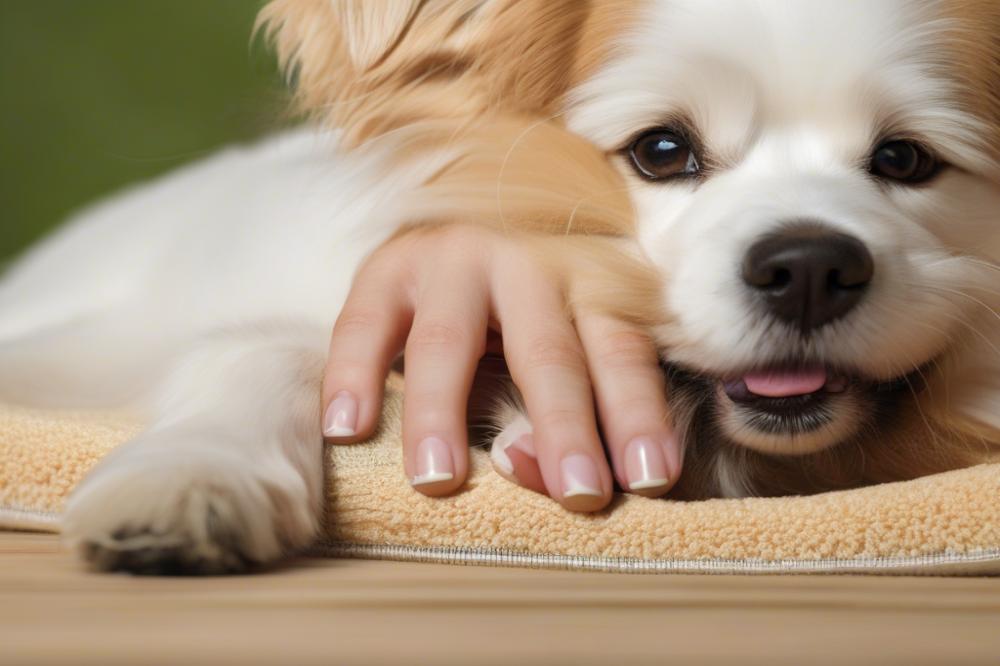
Regularly checking dog paws is essential for their overall health. Owners should look for signs such as swelling, redness, or unusual odor. These symptoms might hint at an underlying issue. Cracked pads can be painful and lead to further infections. Watching for limping or reluctance to walk is also important. If your pet avoids putting weight on a paw, it may indicate injury or discomfort.
Paw allergies can cause extensive itching and irritation. Red, inflamed skin around the paws may suggest an allergic reaction. Sneezing or other allergy symptoms could accompany this skin irritation. Keeping an eye on any licking behavior will help spot problems early. Frequent paw licking often leads to further complications if not addressed quickly.
Another common concern is nail health. Long nails can cause discomfort and lead to painful nail trimming. Regular nail care is crucial to avoid issues. Proper paw hygiene includes checking between the toes for debris or infections. Infections can manifest as discharge or excessive licking. Identifying these signs can help you act swiftly.
Differences between dogs and cat paws can be notable. Dogs tend to experience injuries while running or playing. In contrast, cat paws often encounter issues from indoor living or litter boxes. Both species can suffer from paw infections, but the causes may vary. Cat owners should also pay attention to changes in behavior that could indicate discomfort.
Learning pet first aid is beneficial for every pet owner. Basic knowledge allows for quick actions in case of injury. If a serious problem arises, seeking veterinary care is critical. Regular checks can catch potential issues before they escalate, promoting better overall paw health.
Prevention and Care Techniques
Maintaining proper paw hygiene is crucial for your pet’s overall health. Regular checks for dirt and debris should become part of your routine. Dog paws and cat paws pick up many contaminants during their daily adventures. After walks, it is helpful to wipe down their paws with a damp cloth. This simple action can prevent infections by removing irritants and allergens that can cause discomfort.
Paw infections often happen when moisture gets trapped in pads or between toes. Dryness is key to preventing these infections. Keep an eye out for cracked pads; they can be painful and may need treatment. Applying a paw balm designed to heal and protect is a good practice, especially during harsh weather. Always make sure to consult your vet if you notice any persistent issues.
Nail trimming is another vital aspect of maintenance. Overgrown nails can lead to discomfort, affecting your pet’s walking. Regularly cutting your pet’s nails is critical to their health. If you are unsure about how to trim them safely, consider seeking help from a professional groomer or your veterinarian. Proper grooming techniques can also help in managing overall paw health.
In addition to hygiene and grooming, keeping your dog’s paws clean is essential. Walking on rough surfaces can lead to paw injuries, while hot pavements can burn sensitive pads. Being cautious about where and when you walk your pet can make a big difference. During colder months, be mindful of ice, which may cause injuries due to slipping. Protective dog booties can provide extra safety, especially in extreme conditions.
Paw allergies can stem from various sources, including grass, dust, and chemicals. Regular cleaning can minimize exposure to these common irritants. If your pet frequently scratches or licks their paws, this may indicate allergies. Watching for signs of discomfort helps in timely interventions. You can use pet first aid techniques to manage minor irritations, but consulting with a vet is essential for any persistent problems.
Moreover, consider establishing a grooming routine that includes regular inspections of the paws. Taking the time to look closely allows you to catch potential issues early. Overall, being proactive about paw care can lead to happier, healthier pets. Protecting your furry friends from future complications will save time and stress in the long run.
Treatment Options for Paw Problems
Treating common issues with dog paws and cat paws can begin at home. Certain problems can be managed using simple remedies. For instance, cracked pads may benefit from applying a moisturizing balm specifically designed for pets. This can help create a protective barrier while healing takes place. Regular observation of your pet’s paws is vital. Watch for any signs of excessive licking or discomfort.
Paw allergies can often be alleviated by keeping the paws clean. Washing paws after walks in grassy or dusty areas helps reduce irritation. Antihistamines might also offer relief but should only be given under veterinary guidance. It’s crucial to check if the allergies are environmental, food-related, or something else.
Paw infections require a more careful approach. Symptoms may include swelling, redness, or unusual discharge. Never hesitate to consult a veterinarian if you notice these signs. They may recommend antibiotics or other medications after determining the cause. Home treatments can be useful for minor issues, but serious infections need professional intervention.
In the case of a paw injury, immediate pet first aid is essential. Cleaning the wound with mild soap and water can prevent further complications. Once cleaned, bandaging may protect the area during healing. However, keep in mind that if bleeding continues or if the injury seems deep, veterinary care should not be delayed. An expert can provide more advanced treatments.
Nail trimming is also key to maintaining good paw hygiene. Overgrown nails can lead to discomfort or even injuries. Finding the right tools and techniques for nail management can make this process smoother. If you’re unsure, a pet professional can demonstrate the best practices.
Many common paw problems can be treated at home, but recognizing when to seek help is essential. Serious concerns might escalate if left untreated. That’s why having pet first aid knowledge is invaluable. Ensure you have access to resources and understand basic procedures. Your veterinarian is a key ally in managing your pet’s health, especially with complicated or persistent issues.
Dealing with Paw Injuries
Paw injuries in dogs can occur in many ways. Sharp objects like glass or nails can cut the pads. Rough terrain may cause cracks. These injuries can be painful and might lead to infections. Owners should watch for signs of discomfort, such as limping or excessive licking of the paw.
First aid is essential for minor injuries. If a cut is bleeding, applying gentle pressure with a clean cloth can help stop it. After the bleeding slows, clean the area with mild soap and water. If the dog allows, pat the paw dry gently. Using an antiseptic that is safe for pets is a good idea. This can help prevent infections from forming. Covering the injury with a bandage is also useful, but make sure it is not too tight.
Certain situations require veterinary care. If the cut is deep or does not stop bleeding, a vet should be consulted. Lacerations that expose bone or serious infections need professional treatment. Dog paws with swollen or infected areas often need more advanced care. Signs such as pus, fever, or increased pain warrant a trip to the veterinarian without delay.
Paw hygiene plays a crucial role in prevention. Regular check-ups can help identify potential problems early. Nail trimming keeps the paws healthy and prevents injuries, as long nails can snag and break. Bathing with mild pet-safe shampoo can help remove irritants that may cause allergies. After walks, it’s wise to inspect the paws for any debris or injuries.
Avoiding future injuries takes a bit of thought. Keep walking areas clear of sharp objects. Also, be mindful of the temperature of surfaces in the summer or winter. Hot pavement or icy streets can harm sensitive pads. Providing a designated play area can prevent accidents. Regularly scheduled vet visits are essential for overall health. Awareness and care can keep your dog’s feet happy and safe.
Importance of Proactive Paw Care
Caring for our furry friends goes beyond just feeding and walking. Dog paws often get overlooked, yet they play a crucial role in your pet’s overall health. Regular checks can help you spot issues before they become major problems. Keep an eye out for cuts, cracks, or foreign objects stuck between the toes.
Grooming is another essential aspect of paw care. Trimming nails not only prevents discomfort but also helps maintain proper posture. Additionally, cleaning the pads and between the toes can prevent infections and keep the skin healthy. Cat paws also need attention, although their needs may differ slightly. Cats may not walk as much outside, yet injuries can still happen.
Awareness is key. Knowing what’s normal for your pet can help you detect anomalies. Odd behaviors, like limping or excessive licking, can indicate a hidden issue. If your pet is behaving differently, it’s smart to take action. Don’t hesitate to reach out to your veterinarian in case of serious concerns. They can help you navigate any challenges you might face.
In summary, proactive care is vital for the well-being of both dogs and cats. By regularly checking, grooming, and staying aware, you can greatly reduce the risk of injury or illness. Always remember, a happy pet starts with healthy paws!